


If your weekly fuel spend keeps creeping up, but you are not ready to change vehicle, a fuel saving tune package is often the first place worth looking. Done properly, it can improve low-down torque, reduce unnecessary throttle input and help the engine work more efficiently in everyday driving rather than simply chasing headline power figures.
That matters most for the people who feel fuel costs hardest – commuters, motorway drivers, diesel owners, vans doing regular mileage and anyone towing or carrying weight. The right calibration can make a vehicle easier to drive and less demanding on fuel, but only when it matches the engine, the vehicle’s condition and the way it is actually used.
What a fuel saving tune package actually does
A proper economy-focused remap is not just about making the engine weaker or duller. In most cases, it is the opposite. The aim is to improve efficiency by adjusting how the engine delivers torque, how early it can pull cleanly and how much throttle is needed to maintain speed.
On a diesel, that often means bringing in stronger usable torque lower in the rev range. When the engine makes its effort earlier and more smoothly, the driver does not need to press on as hard to get the vehicle moving or keep it progressing on inclines. On many turbo petrol and diesel engines, careful ECU changes can also improve the relationship between throttle input and engine load so the vehicle feels less strained in normal use.
A good fuel saving tune package is written within safe operating limits. That point matters. Economy gains should never come from pushing boost, fuelling or temperatures into areas that compromise long-term reliability. The best result is a vehicle that feels more relaxed, not one that is being forced beyond what the hardware can comfortably support.
Where the real fuel savings come from
The headline many drivers want is simple – how much MPG will I gain? The honest answer is that it depends.
The software can make the engine more efficient, but your savings still come from the way the vehicle is driven. If a remap gives stronger mid-range pull, and you use that to short-shift and drive with less throttle, economy can improve noticeably. If you use the extra torque to accelerate harder at every opportunity, fuel consumption may stay the same or even worsen.
This is why economy tuning tends to work best for high-mileage users. A motorway commuter doing steady journeys, a van driver carrying tools, or a diesel estate covering long A-road miles is far more likely to see repeatable savings than someone doing only short cold-start trips around town.
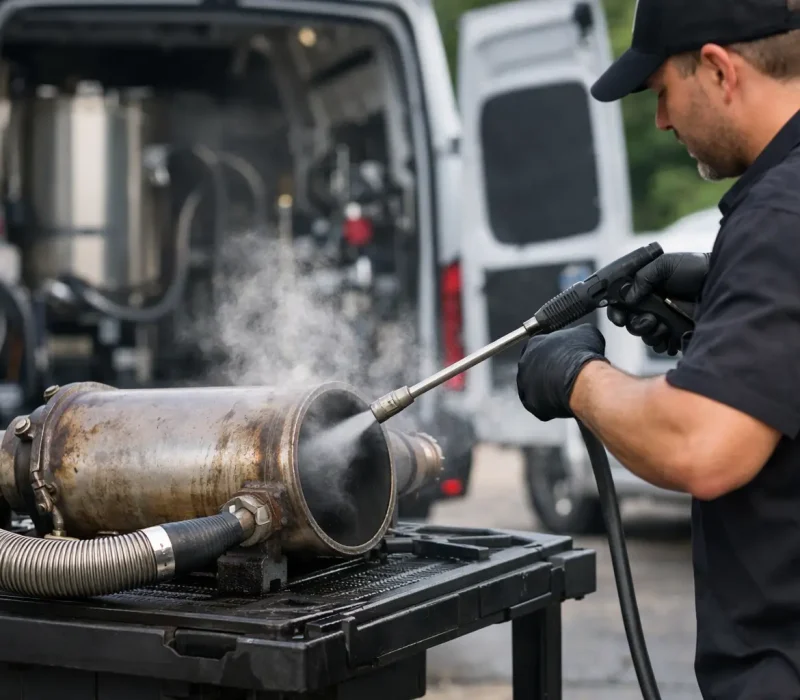
Vehicle condition also plays a major role. If the air intake is restricted by carbon build-up, the DPF is partially blocked, the EGR system is not operating properly or there are hidden fault codes affecting fuelling, an economy tune will not perform at its best. In some cases, the remap should come after the underlying issue is diagnosed and corrected.
Fuel saving tune package vs generic remap
Not all remaps are aimed at the same result. That is where many owners get caught out.
A generic file may promise better MPG and more power at the same time, but broad claims are not the same as proper calibration. An economy-focused package should be built around usable efficiency, not peak output figures. That means the tune needs to suit the exact ECU software version, engine variant and condition of the vehicle.
Custom work also gives better control over safety. Manufacturer tolerances still matter, especially on vehicles used daily for work or family travel. A tune written with those limits in mind is far more valuable than a file designed to fit dozens of vehicles on paper.
For drivers who want a middle ground, a balanced tune can sometimes make more sense than a pure eco file. If the vehicle is used for commuting during the week but also carries passengers, tackles hills or tows at weekends, a balanced calibration often gives a stronger overall improvement in drivability while still supporting better economy when driven properly.
Which drivers benefit most from an economy remap
The best candidates are usually drivers already doing enough mileage for the gains to add up. Diesels often respond particularly well because they benefit from improved torque delivery in the rev range where they spend most of their working life.
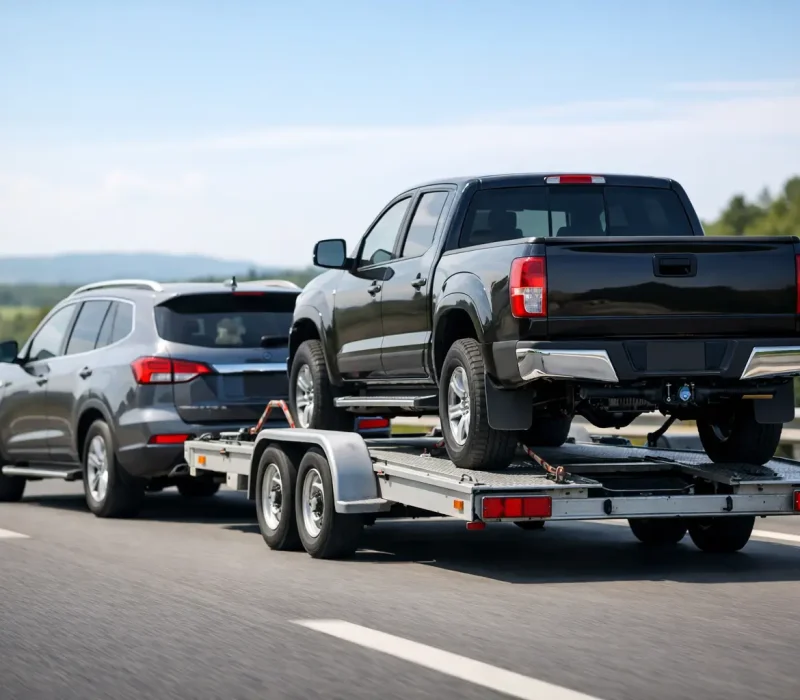
Commuters covering long distances can benefit because the vehicle becomes less effort to keep moving efficiently. Small business owners and light commercial operators often see value because even modest savings per tank become meaningful across months of regular use. Towing drivers can also notice an improvement, not because the vehicle suddenly uses no fuel under load, but because it no longer needs as much throttle and gear hunting to pull cleanly.
Short-run urban drivers are a more mixed case. If the vehicle rarely gets fully warm and spends most of its life in traffic, an economy tune may still improve drivability, but the fuel saving itself can be modest. In those situations, fixing regeneration issues, carbon build-up or sensor faults may have more impact than the tune alone.
When a fuel saving tune package is not the first job
There are times when tuning should wait.
If a vehicle already has warning lights, poor starting, limp mode, heavy smoke, uneven boost delivery or active DPF problems, those issues need to be checked first. The ECU can only manage what the hardware is giving it. If airflow, fuelling or exhaust after-treatment is already compromised, adding a remap on top is not the right approach.
This is especially relevant on modern diesels. A driver may assume poor MPG means the software needs improving, when the real issue is frequent DPF regeneration, a sticking EGR valve or carbon restricting airflow. In those cases, diagnostics and cleaning work can restore lost economy before any tuning is even considered.
That is also why a professional service should explain the process clearly rather than simply loading a file and sending the vehicle away. The safest route is always to assess the condition of the car, confirm there are no underlying faults and then apply software that suits the engine’s real-world use.
What to expect after the tune
Most drivers notice the same thing first – the vehicle feels easier to drive. It pulls more cleanly from lower revs, needs less throttle in normal traffic and feels less flat when joining faster roads or climbing gradients.
The fuel saving usually shows up after that, not in the first mile. You need a bit of time to settle into the revised torque delivery. Once you do, the gains often come from driving more smoothly without trying. Fewer downshifts, less hard acceleration and better flexibility in higher gears all help.
Realistic expectations matter here. A tune is not a miracle fix for poor maintenance, heavy right-foot driving or unsuitable journey patterns. What it can do is make an already sound vehicle operate more efficiently in the conditions it sees every week.
Choosing the right provider matters
Economy tuning only makes sense if it is done properly. Experience, genuine equipment and a custom-written approach matter far more than bold claims.
A provider should be able to explain what the tune is designed to achieve, whether your vehicle is a good candidate and what could limit the result. They should also be clear about safety boundaries. Any remap worth having should stay within sensible limits for the engine, gearbox and supporting components.
For mobile customers, convenience should not mean cutting corners. If the work is carried out at home or at your workplace, the standard still needs to be dealer-level in terms of process, checks and professionalism. That combination of convenience and proper technical control is what makes a mobile remap service genuinely useful rather than merely quick.
In practice, the right fuel saving tune package is less about chasing a marketing promise and more about making your vehicle better suited to the driving you actually do. If your car or van is healthy, your mileage is consistent and the calibration is written with care, the savings can be real – and the improvement in drivability is often what makes the difference feel worthwhile every single day.