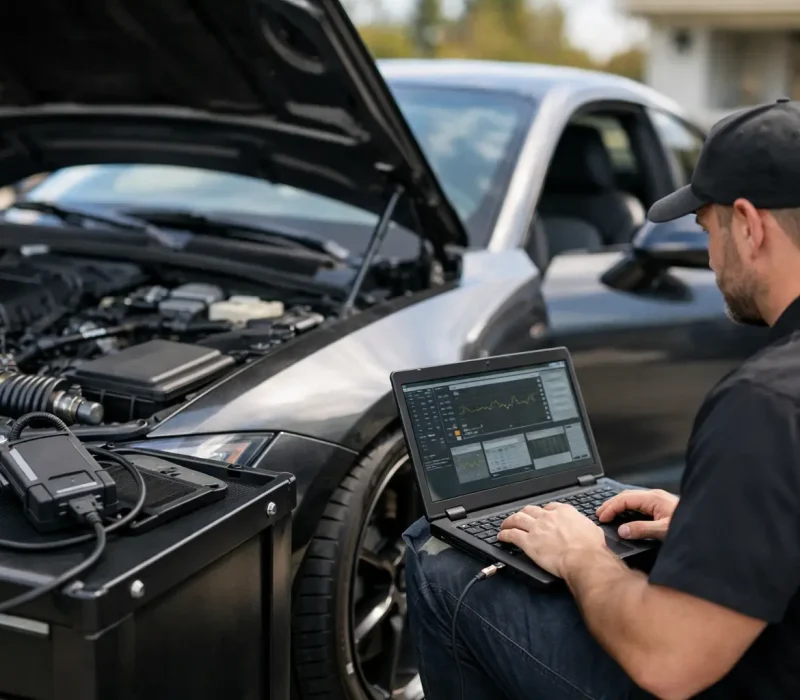



If you are asking can mobile remap be reversed, the short answer is yes – in most cases it can. A properly carried out ECU remap is software-based, which means the vehicle can usually be returned to its original calibration if needed. The key point is not whether the remap was done at your home or workplace, but how it was written, what tools were used, and whether the original data was backed up correctly.
That distinction matters. A mobile service should not be seen as a shortcut or a compromise. If the technician is using genuine equipment, reading the vehicle correctly, and saving the factory file before making changes, reversing the remap is normally straightforward.
What reversing a mobile remap actually means
When people talk about reversing a remap, they usually mean one of two things. Either they want the car put fully back to standard software, or they want the current file removed and replaced with a different calibration that better suits how they use the vehicle.
Returning the car to stock means restoring the original ECU software that was read from the vehicle before tuning. On a well-managed job, that original file is kept safely so it can be written back later. In some cases, the process is as clean as restoring a backup and carrying out final checks.
Changing from one remap to another is slightly different. For example, a driver may start with a Stage 1 power setup, then later decide an eco or balanced file is a better fit for motorway mileage, towing, or day-to-day commuting. That is not really a reversal to standard, but it is still a controlled software change.
Can mobile remap be reversed on every vehicle?
Not every vehicle is identical, and this is where blanket promises become risky. In principle, most modern ECU remaps can be reversed, but the exact route depends on the ECU type, whether the file was flashed via the diagnostic port or bench methods, and how the original tune was created.
If a custom remap was written properly and the original software was saved, reversing it is usually very manageable. If a vehicle has had unknown tuning work in the past, especially from poor-quality generic files or unsupported tools, the job can become more involved. In those cases, the technician may first need to identify what software is currently on the ECU and whether a genuine stock file is available for that exact hardware and software version.
This is one reason experienced remapping matters. The tuning itself is only part of the job. File management, ECU identification, and safe recovery procedures are just as important.
What makes a remap reversible and safe?
A reversible remap starts with good process. Before any tuning is applied, the technician should identify the control unit correctly, read the original data where possible, and use professional tools that support that ECU properly. Without that foundation, returning the car to stock later can be harder than it needs to be.
The safest setups are custom-written within manufacturer tolerances and based on the specific vehicle. That reduces stress on components and avoids the crude, one-size-fits-all approach that can create drivability issues. It also means the car is more likely to behave predictably if you later choose to return it to standard.
A proper remap should also be paired with honest advice. If a vehicle already has mechanical faults, DPF issues, boost leaks, or sensor problems, software should not be used to mask them. Reversing a remap will not cure those faults either. It simply restores the software side.
Why drivers choose to reverse a remap
There are several sensible reasons for putting a car back to standard. Some drivers are selling the vehicle and want it returned to factory software before handing it over. Others are ending a finance agreement, changing insurer requirements, or moving to a different use case where standard calibration makes more sense.
There are also practical situations where reversing the remap is part of fault diagnosis. If a vehicle develops a running issue and the owner wants to rule out software as a factor, restoring the original file can help separate mapping concerns from mechanical ones. That said, a professionally written remap is rarely the cause of random faults if the car was healthy to begin with.
Sometimes the decision is simply preference. A stronger torque delivery can feel excellent on the right vehicle, but some owners later decide they would rather have the exact original throttle feel or power curve back. That is a valid choice.
Does a mobile remap leave permanent changes?
In normal circumstances, ECU remapping does not involve physically altering engine components. The change is in software. So if the vehicle is returned to the original file, the main performance calibration changes are removed.
However, there are a few points worth understanding. Some ECUs store flash counters or programming history. Manufacturers and dealer systems may in some cases detect that the ECU has been written to before, even if the stock file has been restored. Whether that matters depends on the vehicle, the control unit, and the reason the car is being inspected.
That is why the right answer is not just yes or no. Yes, the remap can often be reversed in terms of the vehicle’s operating software. But no reputable tuner should claim that every trace of programming activity becomes invisible on every model. Anyone telling you otherwise is oversimplifying it.
What to expect when having a remap reversed
The process should begin with a proper check of the vehicle and ECU. The technician needs to confirm what software is currently installed and whether the original file is available. If the original read was saved at the time of tuning, that is usually the best route back to stock.
Once the standard file is written back, the vehicle should be checked for correct operation. Depending on the model, that can include fault code scans, live data checks, and a road test where appropriate. The aim is not just to flash the ECU and leave, but to make sure the car starts, idles, drives, and responds as expected.
For a mobile service, this is where convenience becomes genuinely useful. You do not need to lose half a day arranging workshop transport just to restore factory software. A competent mobile technician can carry out the same professional process on site, provided the vehicle and ECU are suitable.
When reversing the remap is not the whole answer
Sometimes a customer assumes that returning the ECU to standard will fix every issue they are experiencing. That is not always the case. If the car has a blocked DPF, sticking EGR valve, carbon build-up, injector imbalance, or boost control problem, those are mechanical or system-related faults. Reverting the software may change how the vehicle behaves, but it will not repair worn or clogged components.
This is especially relevant with diesels used for short trips or stop-start commuting. Poor economy, sluggish response, or repeated warning lights may have more to do with airflow and emissions system condition than the remap itself. In those cases, proper diagnostics are more valuable than guessing.
Choosing the right technician matters more than the format
The question can mobile remap be reversed often comes from people who are still unsure about mobile tuning in general. That is understandable, but the real issue is not whether the service comes to you. It is whether the work is done to a professional standard.
A well-equipped mobile remapping specialist should be using genuine tuning tools, following safe writing procedures, and keeping accurate records of the original software. That gives you options later. If your needs change, the calibration can usually be adjusted or restored without drama.
At High REVS Performance, that is exactly why process matters as much as power gains. Safe custom work, proper backups, and vehicle-specific checks are what make tuning both effective and manageable long term.
If you are considering a remap, or thinking about returning your car to stock, ask the simple questions first. Was the original file saved? Is the tune custom or generic? Has the car been checked for existing faults? Clear answers at the start usually prevent expensive uncertainty later.
The best remap is not the one that shouts the loudest. It is the one that suits the vehicle, suits the driver, and leaves you with a safe route forward if your plans change.