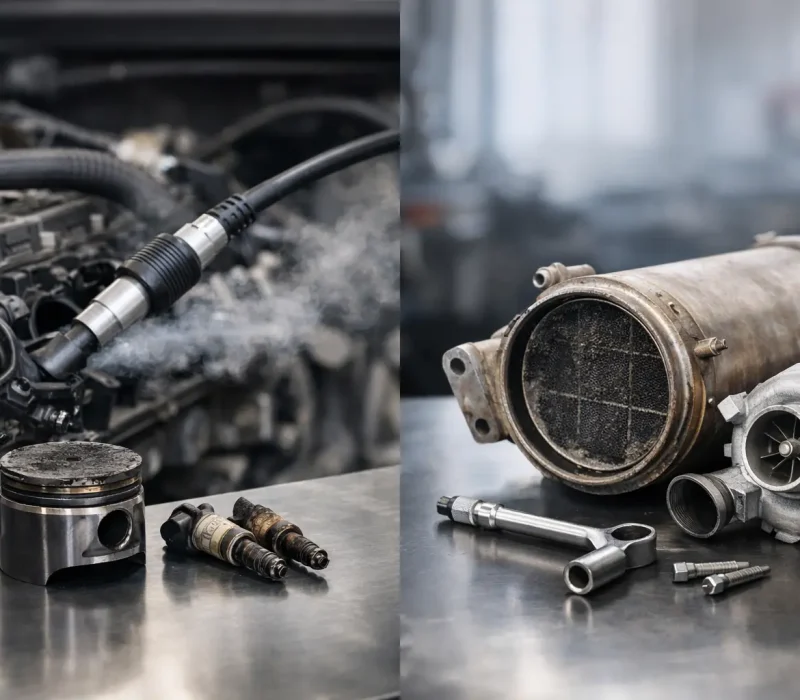



If your car used to feel sharper, pull more cleanly and go further on a tank, the question is a fair one: does carbon cleaning increase mpg? Sometimes yes – but not by magic, and not on every vehicle. The gain comes when carbon build-up has started to interfere with airflow, fuel atomisation or combustion efficiency. Remove that restriction, and the engine can work closer to how it was designed to.
That is why some drivers notice a worthwhile improvement after a professional carbon clean, while others see very little change at the pumps. The difference is usually down to the condition of the engine before the work is carried out, the type of driving the vehicle does, and whether carbon build-up is actually the root cause of the poor fuel economy.
Does carbon cleaning increase mpg on every car?
No. Carbon cleaning is not a universal fuel-saving fix, and any honest answer should start there.
If the engine is already running cleanly, with no meaningful intake contamination and no symptoms linked to carbon deposits, there may be little or no mpg benefit. On the other hand, if the vehicle has spent years doing short trips, has become sluggish at low revs, or is showing the classic signs of restricted airflow and incomplete combustion, carbon cleaning can help restore lost efficiency.
This is especially relevant on modern direct injection petrol engines and many diesels. These engines are more prone to carbon accumulation in the intake system, EGR pathways and related components. Over time, that build-up can disrupt the air-fuel balance, affect throttle response and increase the effort required to produce the same performance.
So the better question is not simply does carbon cleaning increase mpg, but whether carbon build-up is causing your car to burn more fuel than it should.
Why carbon build-up affects fuel economy
An engine needs clean airflow, correct fuelling and efficient combustion to achieve good mpg. Carbon deposits can upset all three.
When carbon coats intake tracts, valves or EGR-related components, airflow can become less efficient. The engine management system then has to compensate. In some cases, fuelling trims shift to keep the engine running as intended. In others, the engine simply becomes less responsive and the driver uses more throttle to get the same result. Either way, fuel use can creep up.
On diesel vehicles, carbon-related contamination often appears alongside soot issues, EGR sticking and DPF trouble. These faults do not just affect emissions systems. They can also make the engine feel flat, trigger more frequent regenerations and waste fuel in the process. If the car is constantly trying to manage a condition caused by restricted or dirty components, mpg often suffers.
This is why a proper carbon clean is best thought of as a restorative service rather than an upgrade. It aims to recover efficiency that has been lost.
When carbon cleaning is most likely to help
The strongest mpg improvements tend to show up on vehicles with a clear history of use that encourages deposits. Short urban runs, stop-start commuting, repeated cold starts and low-speed driving all make carbon-related issues more likely. Diesel owners who rarely give the engine a sustained motorway run often see this first as reduced performance, rougher running or DPF-related warnings.
High-mileage vehicles can also benefit, particularly where the driver has noticed gradual change rather than a sudden fault. That slow decline matters. Many owners adapt to it over time and only realise how much efficiency has been lost once the engine is cleaned and running properly again.
You are also more likely to see a fuel economy benefit if the vehicle has symptoms such as hesitant acceleration, uneven idle, poor throttle response, increased smoke on a diesel, or reduced pulling power when carrying loads or towing. These signs do not guarantee carbon build-up is the cause, but they are common indicators that the engine is not breathing or combusting as cleanly as it should.
What sort of mpg improvement is realistic?
This depends on how compromised the engine was beforehand. If deposits were only light, the difference may be small and mostly felt in smoother response rather than headline mpg gains. If build-up was severe enough to affect drivability, the improvement can be more noticeable.
In real-world terms, it is sensible to expect restoration rather than transformation. A car that has lost efficiency due to carbon contamination may recover some of that lost mpg after cleaning. A healthy car will not suddenly become an economy special just because carbon cleaning has been carried out.
Driving style also matters. If a freshly cleaned engine feels livelier, some drivers naturally use the extra response more often, which can cancel out part of the fuel saving. That does not mean the service failed. It means the right foot is still the biggest variable.
Carbon cleaning versus fixing the actual fault
One of the biggest mistakes in this area is treating carbon cleaning as a cure for every fuel economy issue. Poor mpg can also come from injector faults, boost leaks, tired sensors, sticking brakes, low tyre pressures, failing thermostats or DPF problems that need separate attention.
That is why diagnosis matters. If the car has warning lights, limp mode, obvious fault codes or a known emissions-system issue, those need checking properly rather than assuming carbon cleaning alone will sort it. A professional approach is to assess the symptoms, identify whether carbon build-up is part of the problem, and only then recommend the right service.
This matters even more on modern diesel vehicles, where DPF and EGR issues often overlap. A car with a blocked DPF, frequent regenerations and heavy soot loading may need more than one corrective step to restore economy and reliability.
Does carbon cleaning increase mpg enough to be worth it?
If carbon build-up is genuinely reducing efficiency, it often is worth it – not just for fuel use, but for drivability and long-term maintenance. A cleaner-running engine tends to respond better, pull more smoothly and place less strain on related systems.
There is also a cost-avoidance argument. Left unchecked, carbon-related issues can contribute to bigger problems over time, especially on vehicles already struggling with emissions components. Restoring airflow and combustion quality early can help prevent the sort of decline that leads to expensive parts replacement later.
That said, value depends on timing. Paying for carbon cleaning on a vehicle with no signs of contamination and no measurable issue may bring limited return. Paying for it when the engine is clearly underperforming because of deposit build-up is a very different calculation.
How to tell if your car may benefit
A pattern matters more than one symptom on its own. If your mpg has dropped, the engine feels less eager, and the vehicle mainly does short or interrupted journeys, carbon build-up is a sensible line of enquiry. The same applies if a diesel has become smokier, less responsive or more prone to DPF trouble.
Petrol drivers with direct injection engines may notice rougher cold starts, patchy response or a general loss of smoothness. Diesel owners may feel the engine is working harder than it used to, especially under load. Fleet operators and high-mileage drivers often notice it first in fuel spend rather than performance.
The key is not to guess blindly. A proper assessment separates normal wear from a specific contamination issue.
The best way to protect mpg after carbon cleaning
Once the engine is cleaned, keeping the benefit depends on how the vehicle is used and maintained. Cars that only ever do short local runs are more likely to build deposits again. Where possible, regular longer journeys at proper operating temperature can help, especially for diesels.
Good servicing is also part of the picture. Clean filters, correct oil, healthy sensors and a well-functioning intake and emissions system all support the fuel economy gains you are trying to preserve. On some vehicles, pairing maintenance work with a carefully chosen calibration approach can also make sense. For example, an economy-focused remap written within safe tolerances may improve drivability and efficiency when the engine is mechanically sound.
For drivers around Tamworth and Staffordshire who rely on their vehicle daily, convenience matters as well as results. Mobile specialist work is useful here because problems can be assessed and resolved without losing half a day to a workshop visit.
Carbon cleaning is not a shortcut and it is not a cure-all. But when carbon deposits are holding the engine back, it can restore the smoothness, response and fuel economy that have gradually faded without you noticing.