


A diesel that feels flat off the mark, hesitates when you ask for power, or keeps hunting for the right gear usually does not need guesswork. It needs the right fix. The best upgrades for diesel drivability are the ones that improve how the vehicle responds day to day – pulling away cleanly, building torque smoothly, towing with less effort, and covering miles without feeling strangled by emissions-related issues.
For most owners, drivability is not about chasing headline bhp figures. It is about making the vehicle easier and more predictable to live with. Better low-down torque in traffic, cleaner throttle response on A-roads, fewer forced regens, and less stress when overtaking matter more than a dyno sheet if you use the vehicle every day.
What actually improves diesel drivability?
Modern diesels respond well when airflow, fuelling, and emissions systems are all working as intended. That means the best results usually come from a combination of calibration and maintenance, not one random part fitted in isolation.
A vehicle with a partially blocked DPF, heavy carbon build-up, tired sensors, or a generic tuning file can feel worse than standard. On the other hand, a healthy diesel with a safe custom remap and the right supporting maintenance can feel noticeably stronger without becoming harsh, smoky, or unreliable.
1. A custom ECU remap is often the biggest improvement
If one upgrade changes the character of a diesel more than any other, it is a properly written ECU remap. Not because it turns the vehicle into something it is not, but because it makes better use of the torque already available from the engine and turbo set-up.
On a diesel, the biggest drivability gains usually come from improving torque delivery in the low to mid-range. That is the area you use most – pulling onto roundabouts, climbing hills, overtaking, towing, and moving through gears without having to work the engine hard. A well-calibrated remap can also sharpen throttle response and smooth out flat spots that make the vehicle feel lazy.
The key point is custom-written. Safe remapping should stay within manufacturer tolerances and suit the condition of the vehicle. That is especially important on working diesels, higher-mileage cars, and vans that spend their lives loaded or covering motorway miles. A generic file may promise more, but a careful calibration usually delivers a better real-world result.
For some drivers, an Eco or Balanced map is the smartest choice rather than going straight for maximum power. If you do a lot of commuting or long-distance work, that style of map can improve flexibility and economy at the same time.
2. DPF cleaning can restore lost response
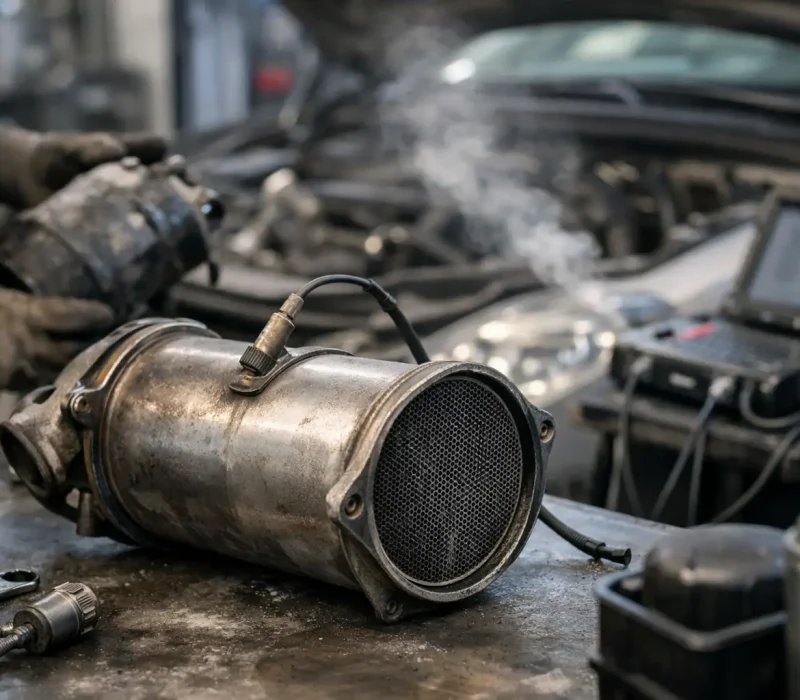
A blocked or heavily loaded DPF has a direct effect on how a diesel drives. You may notice sluggish acceleration, poor fuel economy, frequent regeneration, cooling fans running when they should not, or limp mode. Even before the warning lights appear, the vehicle often feels more restricted.
This is why DPF cleaning belongs high on any list of the best upgrades for diesel drivability. Strictly speaking, it is a restoration service rather than a performance modification, but the effect can be dramatic if the filter is the bottleneck.
Chemical cleaning, carried out correctly, can reduce soot load and help restore normal exhaust flow. That means the engine does not have to work against unnecessary back pressure, and regeneration strategy is less likely to interfere with daily driving. It can also help prevent the much bigger cost of DPF replacement.
There is a trade-off here. If the DPF issue is being caused by another fault – failed sensors, injector problems, thermostat issues, short journeys, or excessive soot from poor combustion – cleaning alone is only part of the answer. Diagnosis matters first.
3. Carbon cleaning helps where airflow has been reduced
Modern diesel engines build up carbon in places that matter to drivability, especially around the intake system, EGR pathway, and inlet tract. Over time, that build-up can reduce airflow and upset how cleanly the engine breathes. The result is often dull response, uneven performance, and a feeling that the engine is being held back.
Carbon cleaning is one of the most worthwhile upgrades when the vehicle has become progressively less smooth rather than suddenly faulty. Owners often describe the difference in simple terms – it pulls more cleanly, picks up better from low revs, and feels less strained under load.
It is not a magic fix for every diesel problem. If there is a sensor fault, boost leak, or DPF issue, those still need addressing. But on high-mileage diesels and vehicles used for stop-start driving, carbon cleaning can be a sensible way to restore the airflow and combustion quality the engine has lost over time.
4. Diagnostics before upgrades saves money
This may not sound like an upgrade, but proper diagnostics often make the difference between spending once and spending twice. A diesel with a lazy MAF sensor, split boost hose, sticking EGR valve, or incorrect fault history can never respond properly to tuning or maintenance work until the root cause is found.
Good drivability depends on accurate data. If the ECU is seeing the wrong airflow values, the wrong temperatures, or unstable boost control, the engine will not deliver consistent torque. It may also mask itself as a tuning issue when the real problem is mechanical or sensor-related.
For owners dealing with poor MPG, warning lights, limp mode, or intermittent hesitation, diagnostics should come before any performance work. It is the professional route and usually the cheaper one in the long run.
5. Fresh service items can make more difference than expected
Diesel owners sometimes overlook the basics because they are less exciting than tuning. Yet clogged air filters, overdue fuel filters, worn oil, and tired glow-related components all influence how well the engine runs.
A restricted air filter can dull response. A fuel filter that is past its best can affect fuelling stability. Old oil can contribute to poor turbo response and general harshness. None of these items will transform a healthy vehicle on their own, but together they have a real effect on refinement and consistency.
This is especially relevant for vans, towing vehicles, and cars doing heavy mileage. If drivability has slipped gradually, a proper service baseline may be needed before any remap or cleaning work will show its full benefit.
6. Transmission behaviour matters too
When drivers talk about poor diesel drivability, they often blame the engine when the gearbox is part of the issue. Automatic gearboxes that hold the wrong ratio, hesitate on kickdown, or feel unsettled at low speed can make an otherwise healthy diesel feel awkward.
An engine remap that improves torque delivery can often help the gearbox behave more naturally because the engine no longer feels weak in the range where the transmission wants to operate. That said, if the gearbox has adaptation issues, old fluid, or software-related problems, those need separate attention.
On manual vehicles, drivability can also be affected by clutch wear or a dual mass flywheel starting to deteriorate. If the engine feels strong but the vehicle does not put power down smoothly, the fault may be further down the drivetrain.
7. Choose upgrades that match how you use the vehicle
The right set-up for a commuting hatchback is not always the right one for a towing pick-up or a small fleet van. That is where many owners go wrong. They ask for more power when what they actually need is cleaner low-end torque, better part-throttle response, and improved efficiency.
If you spend most of your time on the motorway, an economy-focused remap and DPF health check may deliver the best result. If you tow, a balanced calibration with strong mid-range torque often matters more than peak figures. If the vehicle is used locally and keeps showing DPF-related symptoms, cleaning and diagnostics may do more for drivability than any tuning work at all.
This is also where mobile specialist support can make life easier. For drivers in Tamworth and across Staffordshire, having dealer-level diagnostics, remapping, and diesel cleaning carried out at home or work means less downtime and less disruption, especially if the vehicle is part of your daily routine or business use.
Best upgrades for diesel drivability – what should you do first?
Start with the vehicle’s condition, not the wish list. If there are warning lights, limp mode events, regen issues, smoke, or obvious hesitation, diagnose those first. If the engine is healthy but feels flat and under-responsive, a custom ECU remap is usually the most effective upgrade. If the vehicle has lost smoothness over time, carbon cleaning and DPF attention may be the missing piece.
The best results rarely come from chasing the most aggressive option. They come from a diesel that is mechanically sound, properly assessed, and upgraded in a way that matches real use. That is how you get stronger pull, cleaner response, and better everyday manners without compromising reliability.
If your diesel feels harder work to drive than it should, the answer is usually straightforward once the right systems are checked. Improve the condition first, calibrate it properly second, and the vehicle will tell you the difference on the very first drive.