


A car that needs a downchange for every incline, hesitates when joining a dual carriageway, or drinks more fuel than it should can make even routine journeys frustrating. The best reasons for ECU remapping are not limited to outright power. For many drivers, the real benefit is a vehicle that delivers its torque more cleanly, responds sooner and suits the way it is actually used.
Modern engines are controlled by software as much as mechanical hardware. The ECU manages fuelling, boost pressure, torque delivery, throttle response and other operating parameters. A professional remap recalibrates those settings within safe manufacturer tolerances, using a file written for the specific vehicle rather than a generic download.
That distinction matters. The right calibration should improve the areas you notice every day while respecting the condition, mileage and intended use of the vehicle.
Best Reasons for ECU Remapping
Stronger torque where you use it most
Torque is what makes a car feel willing. It is the pulling force that helps it move away cleanly, accelerate through the gears and hold speed on an incline. On many turbo diesel and petrol engines, a Stage 1 remap can bring a meaningful increase in mid-range torque without changing any hardware.
This is particularly useful for drivers who spend time on A-roads, motorways and busy slip roads. Instead of working through the gearbox to make safe progress, the engine has more usable pull in the rev range where it is normally driven. Overtaking can feel more controlled, and joining faster traffic need not feel like a calculated gamble.
For towing, the difference can be even more practical. A caravan, trailer or loaded van places sustained demand on the engine, especially on hills. More accessible torque can reduce the need for constant gear changes and make the vehicle feel less strained. It does not increase the vehicle’s legal towing limit, and it should never be treated as a substitute for correct loading, brakes or maintenance, but it can make an approved towing job easier to manage.
Better drivability, not just a bigger headline figure
Peak bhp figures get attention, but daily driving is shaped by how smoothly the engine reacts at part throttle. Factory calibrations often need to cover many markets, fuel qualities, emissions requirements and ownership types. That can leave some vehicles feeling flat at low revs or slow to react when the driver asks for acceleration.
A balanced ECU remap can sharpen throttle response and improve the spread of torque, so the car feels more predictable rather than simply more aggressive. The aim is not a sudden surge that unsettles the tyres or makes town driving awkward. It is a cleaner, more progressive response when pulling out of a junction, passing slower traffic or climbing a gradient with passengers on board.
This is often the best fit for drivers who want a noticeable improvement but do not want their vehicle turned into a weekend project. A well-set-up Balanced remap gives performance and economy equal consideration.
The potential for improved MPG
Fuel economy is one of the most common reasons drivers consider an Eco remap, particularly high-mileage commuters, diesel owners and small business operators. The saving comes from improving torque efficiency, allowing the vehicle to maintain momentum with less throttle input and fewer unnecessary downchanges.
On a steady motorway run, an engine with stronger low-to-mid-range torque may not need to work as hard to hold speed. In real terms, that can mean fewer revs, gentler throttle openings and a more relaxed drive. Some owners see worthwhile MPG improvements, but the result is always dependent on the vehicle, route, load and driving style.
A remap is not a promise of lower fuel use if the extra performance is used at every opportunity. Drive harder, carry heavy loads, make short cold journeys or run with underinflated tyres, and consumption will reflect it. The sensible approach is to choose an Eco or Balanced calibration when fuel cost is the priority, then allow your driving habits to support the result.
A more capable vehicle for work and fleet use
For a tradesperson, delivery driver or light fleet operator, a van is an earning asset. Time off the road, poor fuel returns and sluggish acceleration all have a cost. An ECU remap can make a working vehicle more responsive with tools and materials on board, while an economy-led calibration may help reduce fuel spend across regular routes.
The key is matching the tune to the job. A heavily loaded van that covers long motorway distances has different requirements from a car used for short school runs. The calibration should account for the engine type and standard hardware, while the owner should remain realistic about servicing, payload and tyre condition.
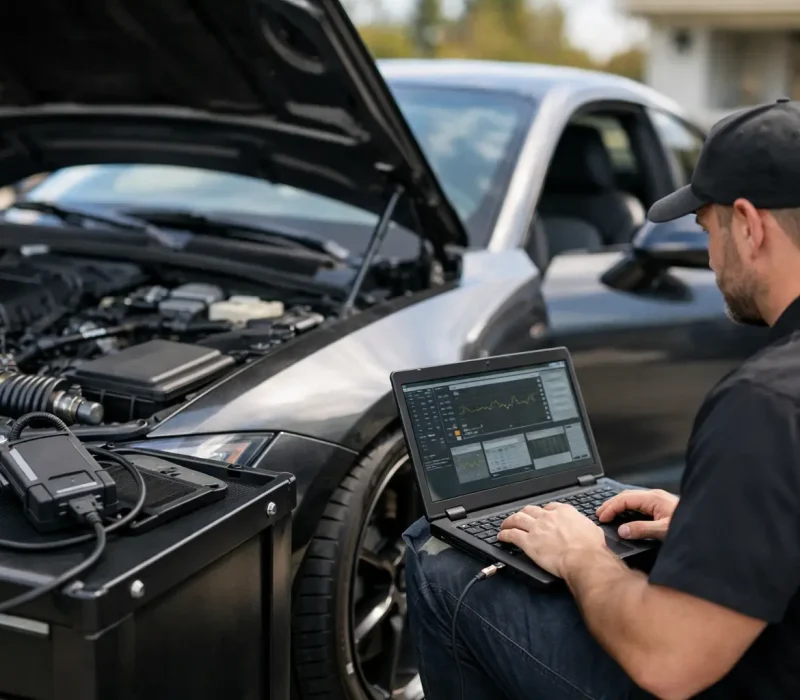
Mobile remapping also has a clear advantage for businesses. Having the work carried out at home or at the workplace can reduce disruption compared with losing part of a day travelling to and waiting at a garage. For drivers around Tamworth and Staffordshire, that convenience is part of the service rather than an afterthought.
Better use of a healthy engine’s existing hardware
Manufacturers commonly use related engines across several models and power outputs. In some cases, the mechanical components are capable of more than the standard calibration delivers. A safe Stage 1 remap can use that available headroom to provide a more engaging driving experience without fitting larger turbos, injectors or exhaust components.
That is why Stage 1 is appealing to owners who want a clear improvement while keeping their vehicle practical and close to standard. The car remains easy to live with, but it no longer feels as though it is holding back every time the road opens up.
There are limits, however. A remap cannot make a worn clutch, tired turbo, blocked DPF, split boost hose or failing injector healthy. More torque can expose a component that was already near the end of its working life. Professional diagnostics before tuning are therefore not an optional extra. They are the sensible way to identify fault codes and underlying issues before altering the calibration.
When ECU Remapping Is Not the First Answer
A warning light, limp mode or sudden drop in performance should be diagnosed before anyone discusses tuning. Diesels in particular can suffer from DPF loading, EGR-related issues, boost leaks and carbon build-up that restrict airflow and affect how the engine runs. Applying a remap to mask those symptoms is poor practice and can turn a repairable issue into a costly one.
If a DPF is genuinely blocked, chemical DPF cleaning may be the appropriate first step. If intake deposits are causing restricted airflow and sluggish performance, engine carbon cleaning may help restore the engine’s normal behaviour. Once the vehicle is mechanically sound, remapping can then be considered for its proper purpose: improving the way a healthy engine performs.
The same applies to servicing. Correct oil, filters, plugs where applicable, tyre pressures and a sound cooling system all support reliable results. Performance and reliability are not opposing goals when the vehicle is assessed properly and the calibration is written with sensible limits.
Insurance, warranty and legal responsibilities
An ECU remap is a declared vehicle modification for insurance purposes. Always tell your insurer before or immediately after the work, depending on its policy requirements. Failure to declare it can affect cover, even if the remap was carried out professionally.
If the vehicle is under a manufacturer or dealer warranty, check the terms carefully. A remap may affect warranty support for engine, drivetrain or related systems. The vehicle must also remain road legal and emissions-compliant. Reputable work does not involve removing emissions equipment or disabling warning systems to avoid fixing a fault.
Choosing the Right Type of Remap
The best result starts with an honest conversation about how you drive. An Eco remap is suited to drivers focused on fuel efficiency and relaxed torque. A Balanced remap is a strong option for everyday cars that need both improved response and the possibility of better economy. Stage 1 Power is aimed at drivers who want the most noticeable performance improvement available from standard hardware, while still keeping the calibration within responsible limits.
At High REVS Performance, remaps are custom-written for the individual vehicle using genuine professional tools, with over 15 years of technical experience behind the service. That process matters more than a dramatic claim on a social media advert. Reading the vehicle correctly, checking its condition and selecting a calibration that suits its purpose is how stronger performance remains dependable.
A good remap should make your car or van feel like a better version of itself, not a different vehicle with new problems. If the engine is healthy and your expectations are realistic, choose the calibration that helps every journey feel easier – whether that means less fuel on the commute, more confidence while towing or stronger response when the road finally clears.