

A diesel that spends most of its life on short runs can look perfectly healthy until the DPF light appears on the way to work. High REVS Performance brings mobile diagnostics and DPF chemical cleaning to drivers across Tamworth and Staffordshire, so you can prevent DPF clogging before repeated regenerations, limp mode and a costly replacement become the bigger problem.
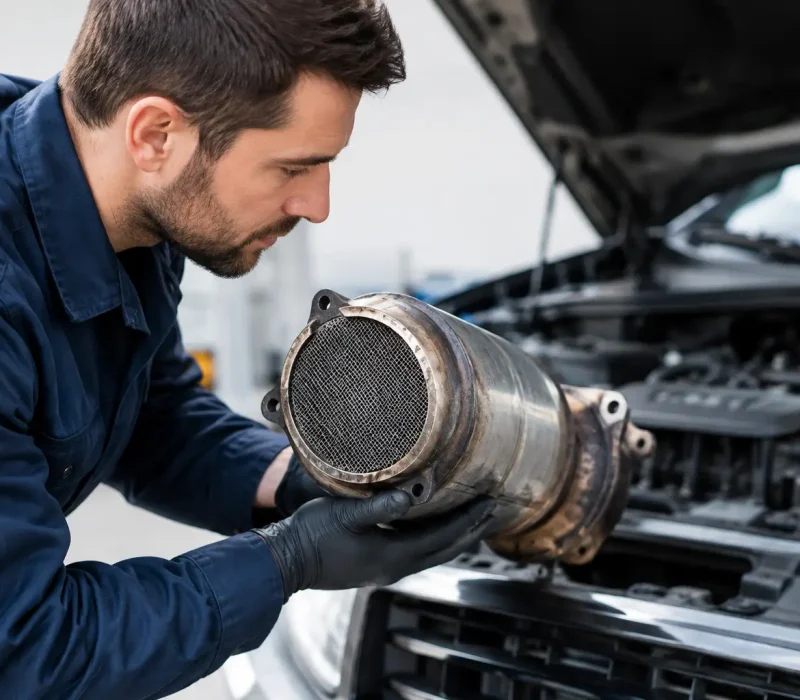
The diesel particulate filter is there to trap soot from the exhaust. When the engine reaches the right temperature and is driven under the right conditions, it burns that soot away through regeneration. The trouble starts when the car repeatedly begins a regeneration but cannot complete it. That is common with school runs, local commuting, stop-start traffic and vehicles that are switched off before a proper journey.
Why DPFs Block in Everyday Diesel Use
A DPF does not block simply because a vehicle has covered high mileage. Plenty of well-used diesel cars cover serious mileage with their original filter intact. What matters is the balance between soot being produced and soot being burned off.
Short, low-speed trips are the usual cause. The engine may not reach full operating temperature, exhaust gas temperatures stay low, and an active regeneration gets interrupted. Each incomplete cycle leaves more soot in the filter. Eventually, the engine management system limits power to protect the vehicle and the DPF warning light becomes a fault rather than an early reminder.
However, driving pattern is not the whole story. A thermostat stuck open, a faulty temperature or pressure sensor, an EGR fault, boost leak, injector issue or excessive carbon build-up can all increase soot production or stop regeneration from taking place properly. That is why clearing a fault code or taking the car for one hard run is not always a cure.
How to Prevent DPF Clogging Before the Warning Light
The most useful habit is to give a diesel the kind of journey it was designed for. If your normal routine is local, plan a regular uninterrupted drive once the engine is warm. A steady run at sensible road speeds is more useful than revving the engine while parked or making a quick blast around town. The aim is stable exhaust temperature and time for the regeneration process to finish.
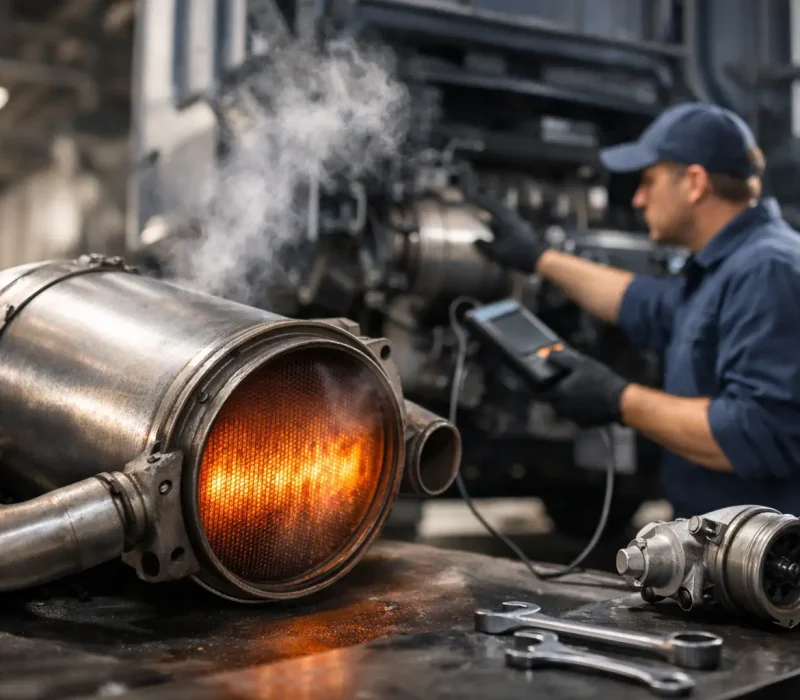
Do not ignore changes in how the vehicle behaves. Increased fuel use, a cooling fan running after you have parked, a slightly raised idle speed, a hot smell from beneath the car and a stop-start system that temporarily stops working can all indicate that regeneration is underway. If it is safe and practical, avoid switching off straight away. Continuing the journey for another 15 to 20 minutes may allow the cycle to complete.
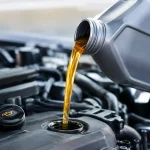
Oil level deserves attention too. On some diesels, repeated failed regenerations can lead to fuel dilution in the engine oil. If the oil level rises rather than falls, do not assume it is a harmless reading error. Book a diagnostic inspection. Running with diluted oil risks engine wear as well as further DPF trouble.
Good fuel and the correct low-SAPS engine oil also support the system, but neither is a substitute for finding the actual cause of frequent regenerations. Additives may have a place in a maintenance plan, yet they will not repair a failed sensor, split hose or filter already loaded beyond its workable limit.
A Tamworth Commuter Example
A typical call-out is a 2017 Volkswagen Golf 2.0 TDI used for a six-mile commute into Tamworth, with occasional weekend shopping trips and no regular motorway driving. The owner notices poorer MPG, the radiator fan staying on after parking and then an intermittent DPF warning. They have tried a bottled additive and a fast drive on the A5, but the light returns.
In that situation, the right first step is on-site diagnostics, not guessing. We check the stored fault codes, calculated soot load, differential pressure readings, exhaust temperature data and whether the vehicle has been attempting or aborting regenerations. If the readings show a soot-loaded filter with no underlying component fault, mobile DPF chemical cleaning can restore exhaust flow. If a sensor value is implausible or the thermostat is holding the engine too cool, that needs addressing first. Cleaning a filter without correcting the cause only delays the next blockage.
Know the Difference Between Soot and Ash
A DPF chemical clean is designed to tackle soot contamination and restore flow through a filter that is still structurally sound. It can be an effective, lower-cost alternative to replacement when the filter is blocked by normal soot loading and the vehicle is diagnosed correctly.
Ash is different. It is a non-combustible residue that builds up gradually over the life of the filter, largely from oil additives and normal engine wear. Regeneration cannot burn ash away. A high-mileage vehicle with a genuinely ash-loaded or physically damaged DPF may need a different repair route. Honest diagnostic data matters here. A professional service should explain what the readings show rather than promise that any blocked filter can be fixed with a single treatment.
The same principle applies to forced regeneration. It can be appropriate where diagnostic checks confirm it is safe, but it is not a button to press on every DPF fault. If the filter is too heavily loaded or the engine has an unresolved fault, forcing temperatures higher can create more risk than benefit.
When Mobile Diagnostics Are Worth Booking
Book an on-site diagnostic appointment if the DPF warning light stays on after a suitable drive, the engine enters limp mode, fuel economy has dropped noticeably, or warning lights are joined by engine-management faults. A proper diagnostic session checks live data, not just the code stored in memory.
For small business owners and light fleet drivers, this can save valuable downtime. A van that is still moving but regenerating constantly is not necessarily saving you money by staying on the road. Loss of torque, increased fuel use and the chance of a complete limp-mode event can soon cost more than addressing the issue early at your home or workplace.
Can a Stage 1 Remap Help DPF Reliability?
A custom-written ECU remap is not a DPF repair and should never be used to hide a DPF fault. Any vehicle with active warning lights, abnormal differential pressure or unresolved engine faults should be diagnosed before performance or economy tuning is considered.
Once the vehicle is healthy, the right calibration can improve drivability and torque delivery, which is particularly useful for motorway commuters, towing vehicles and loaded vans. High REVS Performance writes remaps within manufacturer tolerances for the specific vehicle, rather than loading a generic file. An Eco or Balanced remap may help a suitable diesel use less throttle in normal driving, but it does not remove the need for proper journeys, correct servicing and a functioning emissions system.
That distinction protects both the vehicle and the owner. Better response and stronger mid-range torque are worthwhile benefits. They are not a reason to overlook a warning light or postpone a diagnostic check.
Keep the Filter Working, Not Just the Light Off
The most reliable way to avoid expensive DPF trouble is to act on early symptoms and verify the cause with live data. Give the vehicle regular warm runs where your use allows it, do not interrupt every regeneration, use the correct oil, and investigate changes in fuel economy or behaviour before the dashboard forces the issue.
If your diesel is showing DPF warnings, frequent regeneration, poor MPG or reduced power, book a mobile DPF chemical clean or diagnostic appointment with High REVS Performance and get the fault assessed at your home or workplace.
Got a DPF problem? Send me your car details
Enter your reg, tick what's going on and it comes straight to me on WhatsApp. Mobile service across Tamworth and the surrounding areas. Prefer to talk? Call 07803 102280.