
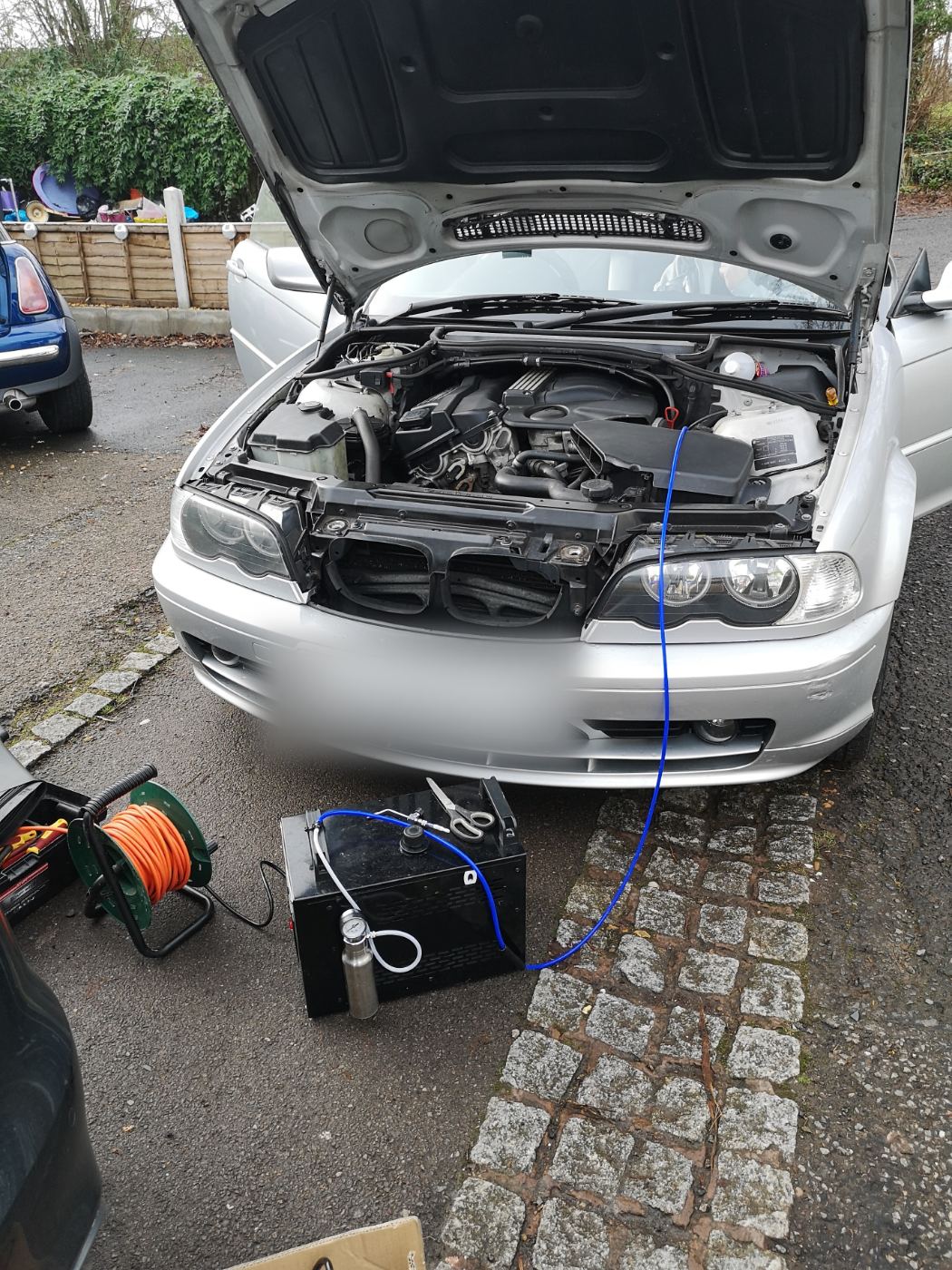


When we visit drivers in Tamworth and the surrounding area for an Eco remap, the question is rarely just whether a vehicle can be tuned. It is whether it is one of the best engines for eco remapping and, more importantly, whether the engine is healthy enough to benefit from the work. A well-chosen Eco calibration can make a daily commute, motorway run or loaded work vehicle easier and less expensive to run. It cannot correct an underlying DPF, boost or sensor fault.
At High REVS Performance, we carry out mobile ECU remapping with a practical focus: improved usable torque, calmer progress through the gears and the potential for better MPG when the vehicle is driven sensibly. The engines that respond best tend to share a few traits – strong factory hardware, turbocharged torque and an ECU calibration that has been deliberately conservative from new.
What makes the best engines for eco remapping?
Turbocharged diesel engines are usually the strongest candidates. They produce useful low-rev torque already, and their standard calibration often leaves room to improve how that torque arrives. Rather than needing to push an engine hard, an Eco remap can make it easier to hold a higher gear, pull cleanly from lower revs and require less throttle for normal acceleration.
That matters for drivers covering regular distance between Tamworth, Lichfield, Sutton Coldfield or Atherstone. On a route with open roads or consistent dual-carriageway running, the engine can use the extra mid-range flexibility to work with less effort. In stop-start traffic, the gain may be smaller, but smoother response can still make the vehicle less tiring to drive.
Modern turbo petrol engines can also be good candidates, particularly smaller-capacity direct-injection units fitted to family hatchbacks, estates and compact SUVs. They often feel restricted at low and middle revs in standard form. A sensible Eco calibration can sharpen their response and reduce the need to rev them as hard in everyday use. However, petrol economy improvements depend more heavily on driving style than they do with a torque-rich diesel.
Naturally aspirated petrol engines are generally less suited to an economy-focused remap. With no turbocharger to provide additional air and torque, there is usually less safe adjustment available. We will always be straight about that before arranging work. Paying for a tune where the likely improvement is modest is not good value.
Diesels with strong mid-range torque
Common-rail turbo diesels in cars, vans and light commercial vehicles are where Eco remapping makes most sense. Whether it is a 1.6-litre diesel commuter car, a 2.0-litre family vehicle or a larger diesel used for towing, the objective is the same: improve torque delivery in the range used every day, without exceeding sensible manufacturer tolerances.
The useful benefit is not simply peak power. It is the ability to make progress without dropping a gear quite as often, pressing the accelerator as deeply or running the engine unnecessarily high in the rev range. For a high-mileage driver, that is far more relevant than a headline figure.
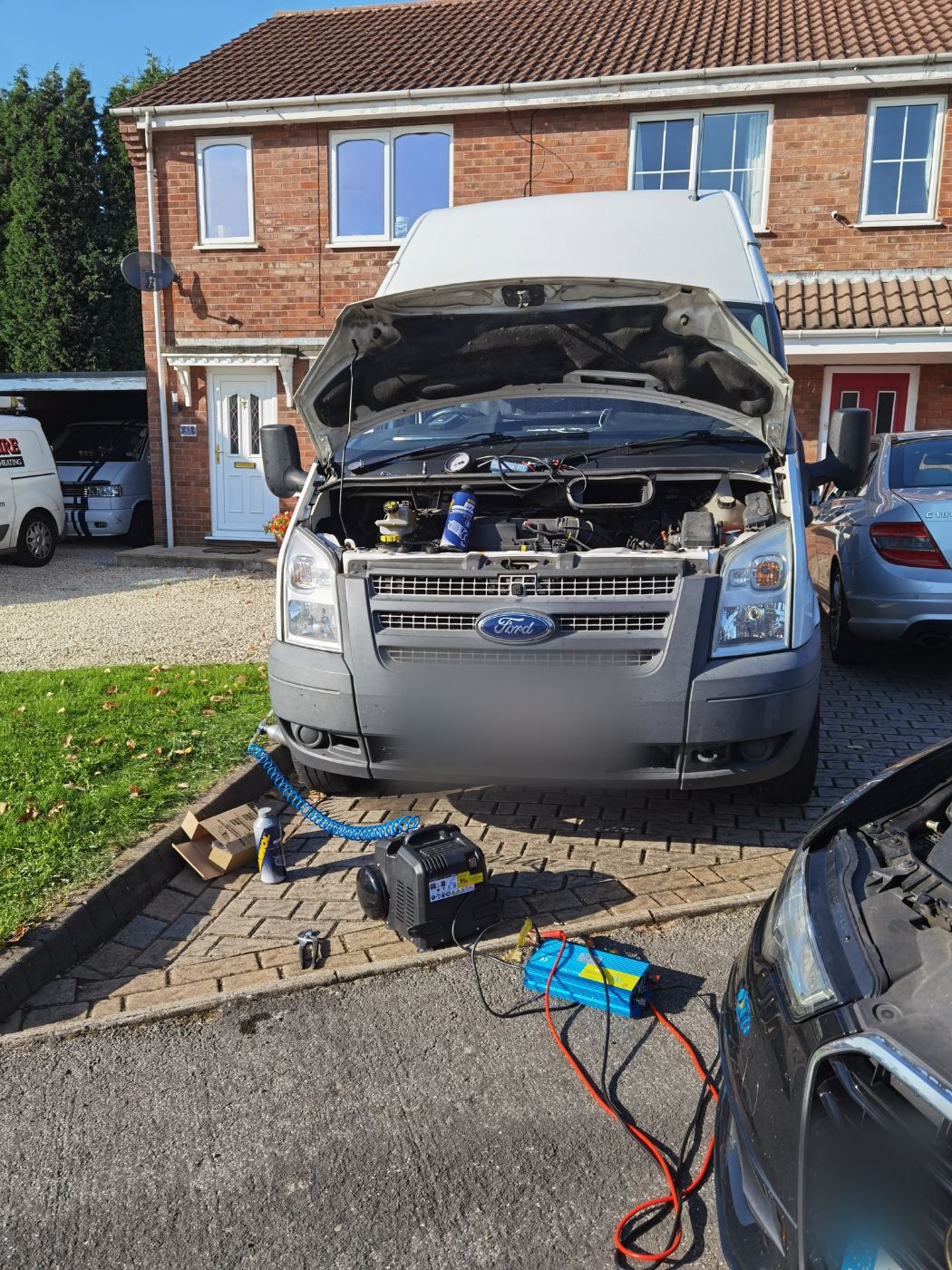
Vans and light fleet vehicles can be particularly suitable when they are mechanically sound. A vehicle carrying tools, stock or equipment spends much of its time under load. A custom-written Eco or Balanced calibration can make pulling away, joining traffic and climbing gradients more controlled, while helping the driver avoid working the engine harder than needed.
Turbo petrol engines for mixed driving
A modern turbo petrol engine can suit an Eco remap where the car covers a mixture of commuting, school runs and longer journeys. The improvement is often felt as earlier, smoother torque rather than a dramatic change in fuel use around town.
For these engines, we discuss the owner’s normal use before recommending a calibration. If the vehicle is regularly driven enthusiastically, the potential fuel saving is likely to be limited. If it is used steadily and spends time cruising, an Eco tune may make more sense. Some drivers are better matched to our Balanced option, which combines a stronger everyday response with sensible efficiency potential.
The engine must be healthy before we remap it
A remap should complement a healthy engine, not mask a problem. This is particularly relevant for diesel vehicles with warning lights, reduced power, poor fuel economy or repeated DPF-related concerns. Increasing torque demand on an engine with a blocked DPF, poor airflow or incorrect sensor readings is not a sensible route forward.
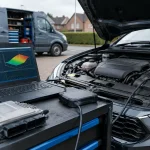
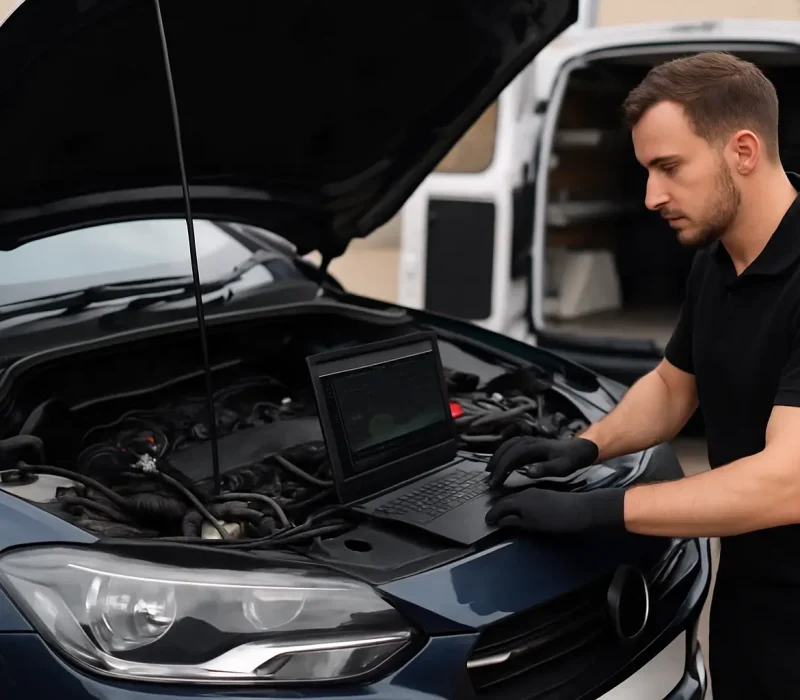
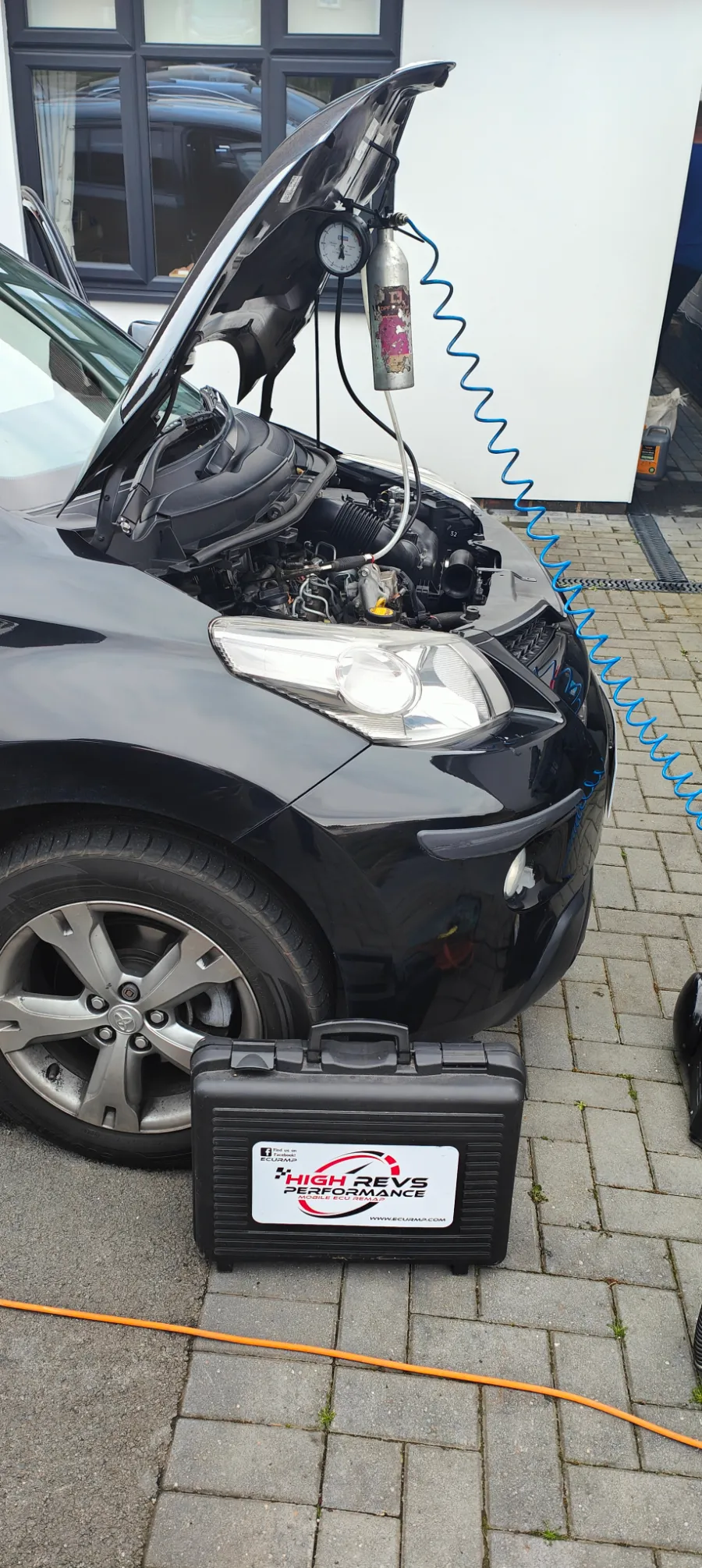
A common situation we see is a diesel that has become flat to drive and is using more fuel than expected. The owner assumes it needs an Eco remap, but the first job is to establish whether the DPF is loading up, whether there is an intake or boost issue, or whether fault codes point to another cause. Our on-site diagnostics allow us to check the vehicle where it is parked, saving a trip to a garage before any tuning decision is made.
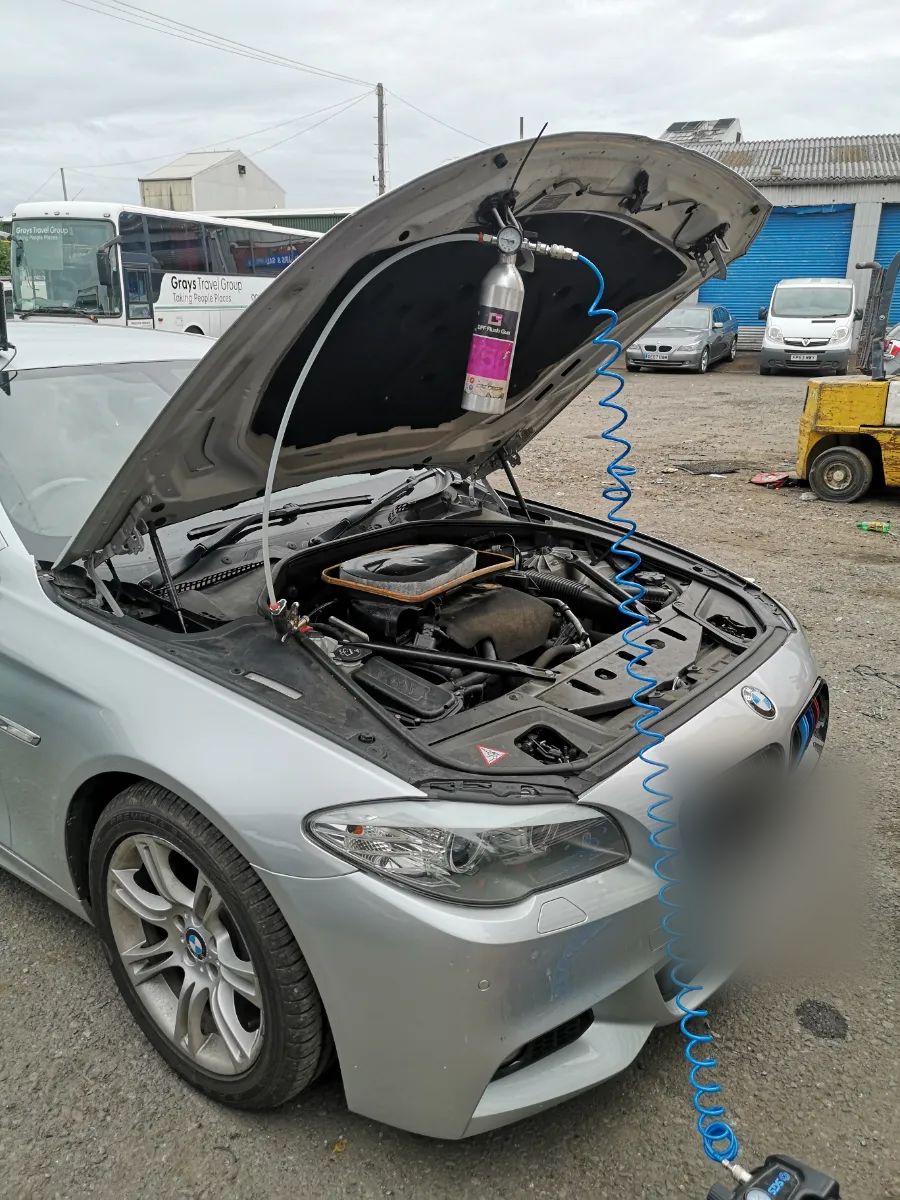
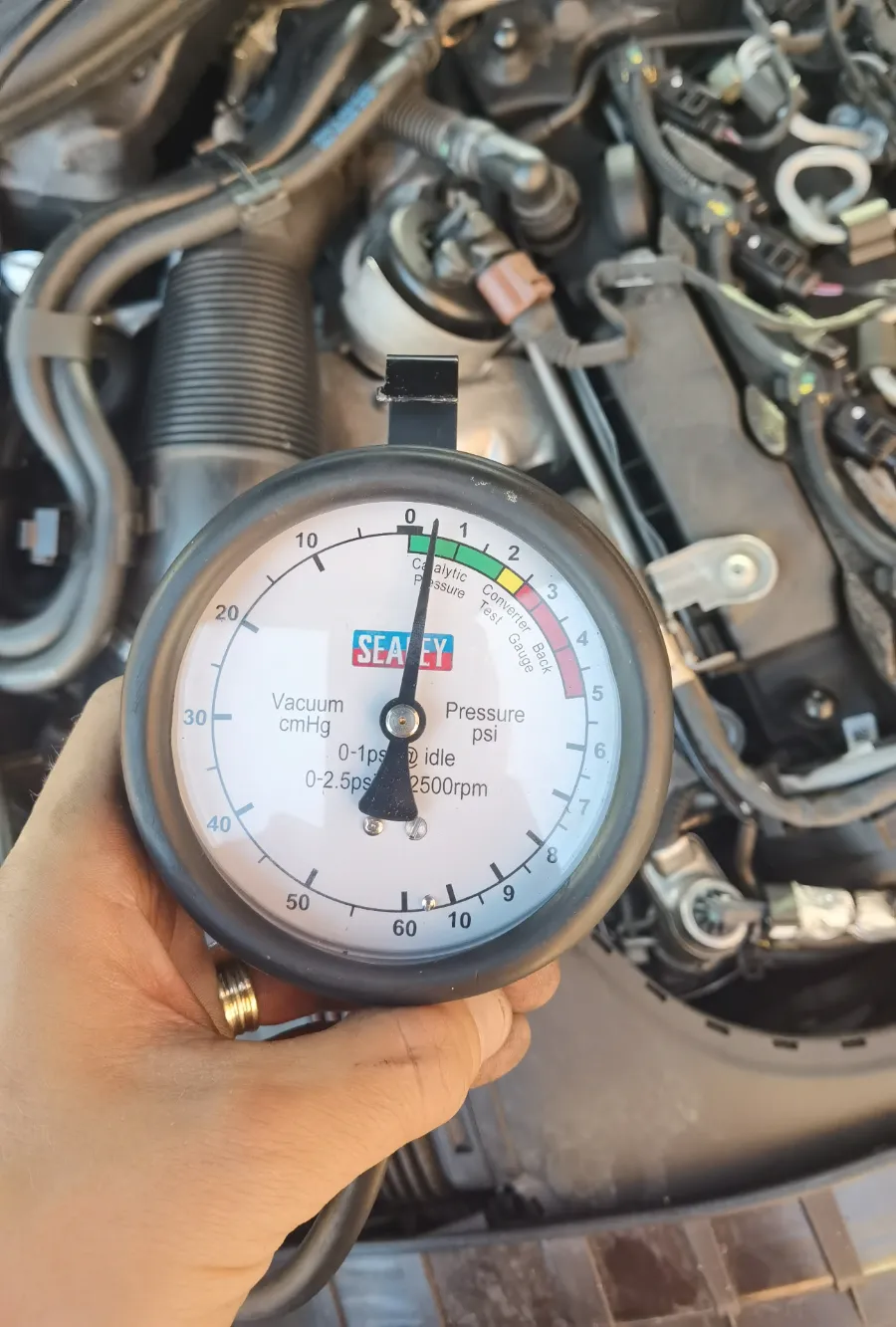
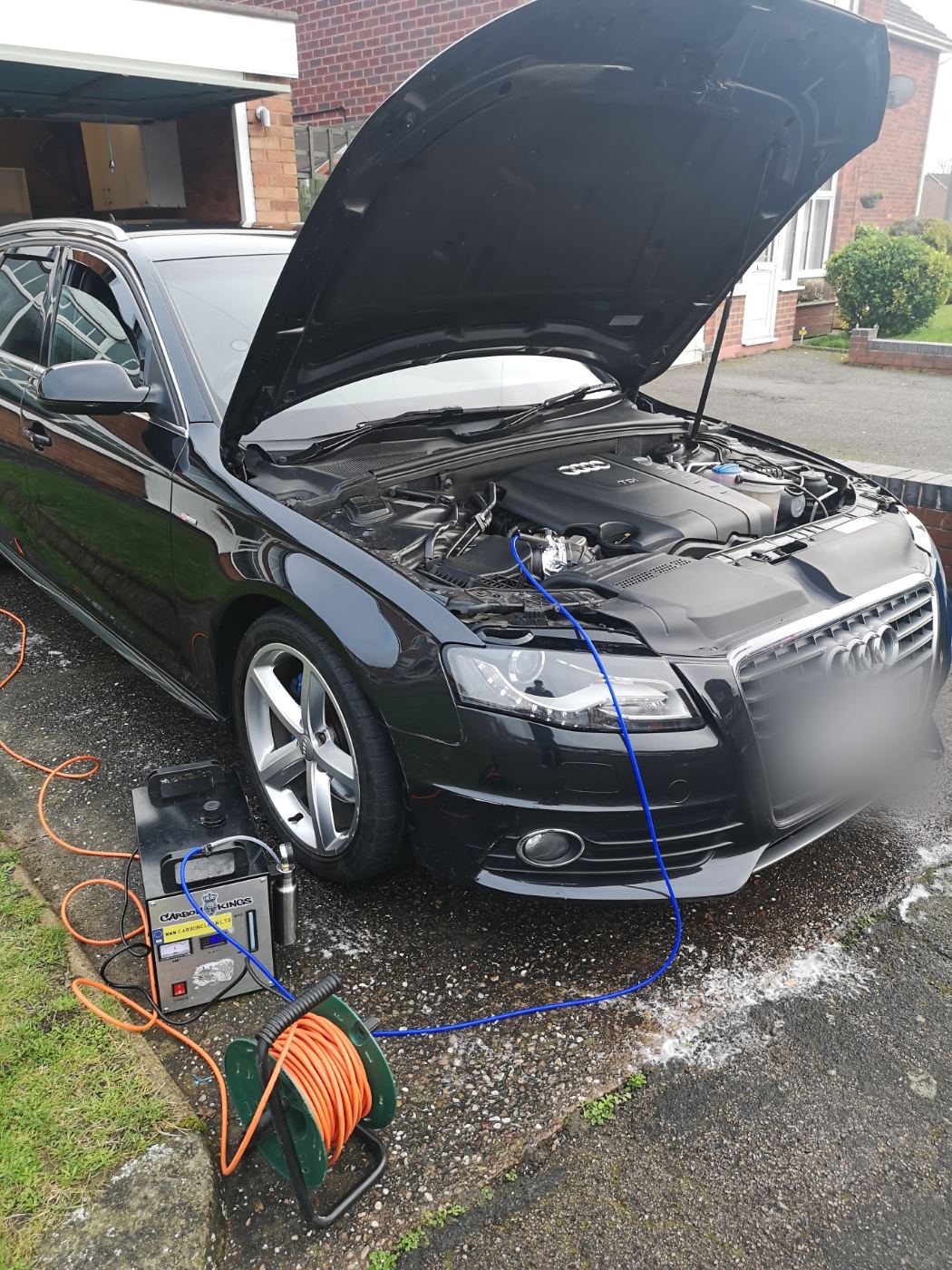
Where DPF contamination is the issue, our DPF chemical cleaning service is designed to address the restriction properly. It is not a forced regeneration, and it is not a software workaround. Cleaning may restore exhaust flow and normal drivability where the filter condition and fault diagnosis support that approach. Once the vehicle is operating correctly, we can then advise whether an Eco remap is appropriate.
Before writing a calibration, we consider the vehicle’s fault status, servicing condition, intake and exhaust behaviour, clutch or transmission condition where relevant, and the owner’s intended use. This is why a generic file is not acceptable. We use genuine professional tools and create a calibration around the specific vehicle, keeping adjustments within safe manufacturer tolerances.
Which drivers gain the most from an Eco remap?
The best candidate is not defined solely by engine size or badge. It is the driver whose normal use allows the improved torque curve to do useful work. Long-distance commuters, motorway users, towing drivers and small businesses with regularly used vans are often well suited.
A diesel owner who mainly completes short local trips may need a different conversation first. Short journeys can contribute to DPF loading and prevent the engine from reaching its most efficient operating conditions. In that situation, a mobile diagnostic appointment and, where required, DPF chemical cleaning can be more valuable than immediately fitting an Eco calibration.
Drivers who want a more engaging feel but still care about running costs may prefer a Balanced remap. It sits between our Eco and Stage 1 Power options, aiming for a noticeable improvement in response and torque without making fuel economy the only priority. For owners who tow, carry passengers or simply find the standard car sluggish, that compromise can be the right one.
Stage 1 Power remapping is the better fit where performance is the main aim. It can still improve drivability because torque is increased, but it should not be chosen solely for MPG. We would rather match the tune to how you actually use the vehicle than sell the same option to every driver.
A realistic view of fuel economy
No honest technician can promise a fixed MPG increase. Road type, payload, traffic, tyre pressures, driving style and the condition of the vehicle all influence what you see at the pump. An Eco remap gives the engine a better opportunity to run efficiently by improving low- and mid-range torque. The driver still decides whether that opportunity becomes a saving.
The practical approach is simple. Use the additional torque to change up earlier where appropriate, maintain speed with lighter throttle inputs and avoid unnecessary acceleration. If the extra response encourages harder driving, the gain will be felt in performance rather than fuel spend.
That is why the best engines for eco remapping are usually the vehicles with regular, predictable use and a driver who values smoother progress as much as outright speed. A sound turbo diesel doing consistent mileage is often ideal. A warning-light diesel that only travels short distances needs diagnosis first.
If your car, van or light commercial vehicle is based in Tamworth, Lichfield, Sutton Coldfield, Atherstone, Coleshill, Polesworth or Kingsbury, book a mobile appointment with High REVS Performance. We can carry out on-site diagnostics first where needed, arrange DPF chemical cleaning if the vehicle requires it, or write a custom Eco, Balanced or Stage 1 ECU remap at your home or workplace.
Check what Stage 1 does for your car
Enter your reg and see the power and torque gains for your exact car. Mobile remapping across Tamworth and the surrounding areas.
Check my car →Prefer to talk? Call 07803 102280