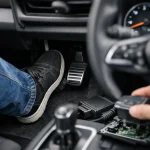



When one van drops into limp mode before the first job of the day, the problem rarely stays with that vehicle alone. Routes get reshuffled, drivers lose time, customers are kept waiting, and what looked like a simple warning light starts costing money by the hour. That is why mobile diagnostics for fleet vehicles make practical sense for operators who need answers quickly without sending vehicles off the road for half a day.
For small fleets and light commercial operators, convenience is only part of the value. The real benefit is speed, accuracy, and knowing whether a fault is minor, developing, or serious enough to stop using the vehicle. A proper on-site diagnostic visit should do more than read a code and clear a light. It should identify what the vehicle is actually doing, why the fault has appeared, and what needs fixing before it becomes a more expensive problem.
Why mobile diagnostics for fleet vehicles matters
Fleet downtime is rarely caused by one dramatic failure. More often, it comes from faults that build slowly – DPF restriction, boost leaks, EGR issues, sensor drift, battery and charging faults, or carbon-related running problems. Drivers may report poor throttle response, rising fuel use, intermittent warning lights, rough starting, or reduced pulling power under load. Left alone, these issues tend to multiply.
Mobile diagnostics gives you a faster way to deal with that early stage. Instead of booking into a workshop, arranging transport, and losing productive hours, the vehicle can be assessed at your premises or workplace. For businesses running vans, pickups, and other light commercial vehicles, that means less disruption and a clearer decision on what to do next.
It also helps avoid the common mistake of replacing parts based on guesswork. Fault codes are useful, but they are only the start. A code might point towards a DPF pressure issue, for example, but the underlying cause could be repeated short journeys, a failed sensor, poor combustion, or an airflow problem upstream. Proper diagnostics means checking live data, stored history, fault patterns, and vehicle behaviour together.
What a proper diagnostic visit should include
There is a difference between a quick code scan and genuine fault finding. For a fleet operator, that difference matters because one gives you temporary reassurance and the other gives you useful information.
A proper visit should begin with the complaint as the driver experiences it. Is the van losing power only under load? Is it regenerating too often? Has fuel economy dropped across several weeks? Is the fault intermittent? Those details narrow the search quickly, especially on modern diesel vehicles where several systems interact.
From there, dealer-level diagnostic equipment should be used to read fault codes, but also to view live parameters and system performance. That can include boost pressure, DPF soot loading, exhaust gas temperatures, fuel trim, rail pressure, sensor readings, and battery voltage behaviour. If the symptoms point that way, road testing and system checks may also be needed to confirm whether the code is the cause or just a symptom.
The best mobile diagnostics work is methodical. It does not promise miracles in ten minutes, and it does not default to clearing the light and hoping for the best. It gives you a realistic picture of the fault, the urgency, and whether the vehicle can stay in service safely.
Common fleet issues mobile diagnostics can identify
For many fleet vehicles, especially diesels covering mixed journeys, emissions-related faults are high on the list. DPF warning lights, failed regenerations, and repeated restriction issues are common where vans spend too much time on short urban runs. Diagnostics can show whether the filter is genuinely blocked, whether regeneration conditions are not being met, or whether another fault is preventing the process.
Carbon build-up is another frequent cause of poor drivability. When airflow is restricted through the intake side, vehicles can feel flat, hesitant, or less efficient than they used to be. Drivers often notice sluggish pull-away and reduced response before a warning light appears. Diagnostics helps confirm whether carbon-related issues are contributing to the complaint or whether the fault lies elsewhere.
Then there are boost and sensor issues. Split hoses, tired solenoids, under-reading sensors, and actuator faults may not always trigger an obvious breakdown, but they can reduce torque and increase fuel use. For vans carrying tools, stock, or towing equipment, that lost performance shows up quickly in day-to-day use.
Electrical faults are also increasingly common in modern vehicles. Battery condition, charging performance, communication faults, and sensor voltage irregularities can all create misleading symptoms. Without proper testing, they are easy to misdiagnose.
The trade-off between workshop booking and on-site support
Workshop time still has its place. If a vehicle needs mechanical strip-down, major repair work, or specialist lifting equipment, an on-site visit will not replace that. But diagnostics is often the stage where the biggest time savings are made.
If the fault can be identified on-site, you avoid sending vehicles into a garage just to discover what is wrong. That helps with planning. You can decide whether the repair is urgent, whether the vehicle should be rotated out of service, or whether the issue can be scheduled around work demands.
For smaller fleets, especially owner-operated vans and local businesses, that flexibility matters. One vehicle off the road can affect the whole day. Mobile support reduces that friction and gives you a clearer route to repair instead of adding another layer of downtime.
When diagnostics links to performance and economy
Fleet operators do not always think of diagnostics and performance in the same conversation, but they are closely connected. A van that feels slow, labours on inclines, or returns poor MPG may not have a single failed part. It may be running below its potential because of a combination of restricted airflow, inefficient regeneration behaviour, sensor inaccuracy, or calibration issues.
That is where an experienced technician adds value. Once faults are properly understood and underlying issues are addressed, some operators choose further optimisation to suit how the vehicle is actually used. For example, vehicles covering high mileage or carrying regular load often benefit more from improved low-down torque and smoother delivery than from headline power figures.
It depends on the vehicle, its condition, and the job it does. There is no point talking about better performance if the engine has unresolved faults, DPF issues, or maintenance needs. The right order is always diagnosis first, repair or cleaning where needed, then only consider calibration changes that remain within safe tolerances.
Choosing a provider for mobile diagnostics for fleet vehicles
Not every mobile service offers the same standard of testing. For fleet work, look for a provider that understands modern diesel systems, uses genuine tools, and can explain findings clearly rather than hiding behind technical jargon.
Experience matters because many faults are not straightforward. A repeated DPF code could be a driving-pattern issue, but it could also point to injector behaviour, boost deviation, temperature sensor faults, or excessive soot production from another cause. You want someone who can see the whole picture, not just the first code on screen.
It also helps to work with a service that can support the next step, whether that is further fault tracing, DPF chemical cleaning, carbon cleaning, or safe performance calibration once the vehicle is healthy. That continuity saves time and reduces the risk of one issue being treated in isolation.
In Tamworth and across Staffordshire, that practical, on-site approach is exactly why many van owners and light fleet operators use services such as High REVS Performance. The appeal is simple: dealer-level diagnostic capability without the hassle of getting every vehicle into a workshop first.
What fleet operators can do before warning lights turn into breakdowns
The best diagnostics appointment is often the one booked before the fault becomes urgent. If drivers are reporting slower response, more frequent regens, poor economy, hard starting, or warning lights that appear and disappear, those are signs worth acting on early.
Keeping a simple record of vehicle behaviour helps more than many operators realise. When did the light first come on? Does it happen after short journeys, under load, or during motorway driving? Has fuel use changed? Those patterns make diagnosis faster and more accurate.
Modern fleet vehicles are efficient when everything is working as it should, but they do not respond well to being ignored. Small faults tend to feed larger ones. Getting them checked on-site, with proper equipment and a methodical process, is usually cheaper than waiting for a forced DPF issue, repeat limp mode, or a vehicle that will not complete its working day.
If your vans are there to earn, diagnostics should not be treated as an afterthought. It is one of the most direct ways to protect uptime, control repair costs, and keep vehicles performing as they should where it counts – on the road, not parked up waiting for answers.