

A car that feels flat joining the A5, labours when loaded, or uses more fuel than it should on a daily commute does not always need an aggressive performance tune. What is balanced ECU tuning? It is a custom engine calibration designed to give you a practical middle ground: stronger torque and sharper response, alongside the potential for better fuel economy when driven sensibly.
For many drivers, this is the most useful type of remap. It suits the person who wants easier overtaking and less gear changing, but still watches the cost of every tank. It also makes sense for towing vehicles, high-mileage diesels and light commercial vehicles where usable pulling power matters more than chasing the biggest possible peak bhp figure.
What is balanced ECU tuning designed to do?
A balanced ECU tune is often described as a 50/50 remap because it aims to improve performance and economy in equal measure. The Engine Control Unit, or ECU, controls key parts of how an engine operates: fuel delivery, boost pressure, torque limits, throttle response and, on many vehicles, gearbox torque communication.
Manufacturers set these parameters to work across every market, climate, fuel quality and ownership style. They also leave room for model ranges, so the same engine can be sold in different states of tune. A professional remap carefully adjusts suitable maps within safe operating tolerances for the specific vehicle.
The result should not feel like a switch has been flicked. A well-written balanced calibration feels more natural than that. The engine develops torque earlier and more smoothly, responds with less hesitation and holds its pull for longer through the rev range. On the road, that usually means fewer downshifts, more relaxed motorway driving and less effort when the car is carrying passengers, tools or a trailer.
Balanced remap versus Eco and Stage 1 Power
The right tune depends on what you ask of the vehicle most days, not on the highest figure quoted online.
An Eco remap puts economy first. It focuses on low and mid-range efficiency and encourages easier progress with less throttle input. It can be particularly relevant for motorway commuters, delivery drivers and fleet operators covering consistent miles.
A Stage 1 Power remap puts stronger performance first. It generally delivers more noticeable gains in bhp, torque and acceleration, making it the choice for drivers who want a more engaging vehicle and have the supporting mechanical condition to match.
A balanced remap sits between them. It gives a worthwhile improvement in overtaking torque and drivability without tuning solely for maximum output. For a family diesel, a daily-driven petrol car, a van carrying equipment or a tow vehicle, that compromise is often exactly the point.
Why torque changes the everyday driving experience
Peak horsepower is easy to discuss, but torque is what many drivers notice first. More usable torque at lower engine speeds helps the vehicle move cleanly from a junction, climb a hill with less strain and accelerate without needing to hold each gear as long.
This does not mean the vehicle becomes immune to load or gradients. It means there is more reserve available in the part of the rev range used most often. With the right calibration, the engine can feel less breathless without becoming abrupt or difficult to control in traffic.
Can balanced ECU tuning improve MPG?
It can, but it is not a promise that every driver will see the same number. Better economy comes from needing less throttle to maintain speed and from using the engine’s stronger low-to-mid-range torque more efficiently. On a steady run, particularly in a diesel vehicle, this can reduce the need for frequent downshifts and hard acceleration.
Driving style still decides the outcome. If the extra response encourages faster acceleration at every opportunity, fuel use is likely to rise. Towing a heavy caravan, making short cold journeys, carrying a full load or driving through stop-start traffic will also affect MPG far more than a remap alone.
The realistic benefit is choice. You can use the additional torque to make ordinary driving calmer and potentially more economical, or use it when you need a safe, confident burst of acceleration. A balanced tune gives you both options without making either the sole purpose of the calibration.
A safe tune starts before the ECU is read
No remap should be treated as a cure for an underlying fault. If a vehicle has an engine warning light, poor boost control, injector issues, a slipping clutch, DPF problems or excessive carbon build-up, increasing engine demand before diagnosing the cause can make matters worse.
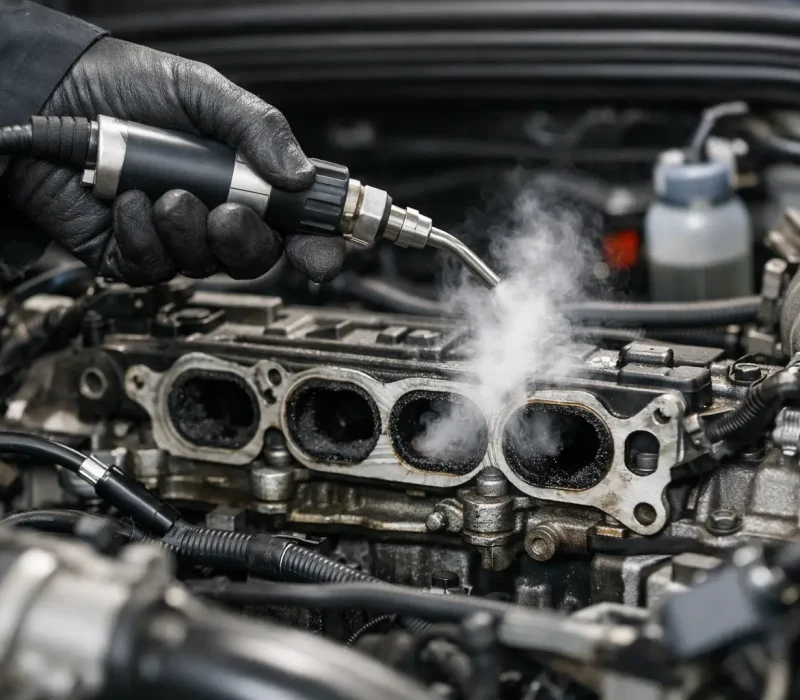
That is why proper vehicle checks matter. Fault codes should be assessed, live data considered where needed, and the vehicle’s general condition discussed honestly. A diesel with a restricted DPF, for example, may need DPF chemical cleaning and diagnosis before it is suitable for tuning. An intake system affected by carbon deposits may benefit from cleaning so airflow and response are restored first.
At High REVS Performance, the emphasis is on custom-written files for the vehicle rather than a generic file applied without checks. Genuine professional tuning tools and more than 15 years of experience support a process built around sensible gains and manufacturer-safe tolerances.
What a professional remap process should include
The ECU is first identified and read using appropriate professional equipment. The original software is retained, then the relevant maps are adjusted for the engine, its ECU version and the intended use of the vehicle. Once written back, the vehicle should be checked for correct operation and any fault codes reassessed.
For automatic vehicles, torque management deserves particular attention. The engine tune must work with the gearbox’s capabilities, not against them. The same applies to clutch condition on manual cars and vans. More torque can expose wear that was already present, which is why a responsible tuner explains limitations rather than promising identical results for every vehicle.
Is balanced tuning suitable for your vehicle?
It is often a strong fit for modern turbocharged petrol and diesel engines that are mechanically healthy and used regularly. Drivers who cover mixed routes, tow occasionally, carry work equipment or want stronger response without an overtly modified feel are typical candidates.
It may be less suitable if your main objective is maximum performance, if the vehicle has unresolved mechanical or emissions faults, or if it is still covered by a warranty where a remap could affect cover. You should also tell your insurer about any ECU modification. Insurance requirements vary, but failing to declare a remap can create problems if you need to make a claim.
Some vehicles will show a greater improvement than others. Engine size, turbocharger specification, transmission type, mileage, maintenance history and fuel quality all influence what can be achieved. Figures should therefore be treated as vehicle-specific expectations, not guarantees pulled from a chart.
What balanced tuning should feel like afterwards
The best balanced remaps are not theatrical. You should notice cleaner pull from low revs, more confidence when joining faster traffic and a smoother response when you press the accelerator. On a diesel, the engine may feel more settled when cruising or climbing under load. On a turbo petrol, the delay before boost arrives may be reduced, making the car easier to place and drive.
You should not expect warning lights, smoke, harsh surges, clutch slip or a dramatic loss of economy. Those are signs that need attention, not benefits of tuning. Continue with the correct service schedule, use suitable fuel, and deal with faults promptly. Tuning works best as part of proper vehicle maintenance, not instead of it.
For drivers around Tamworth and Staffordshire, mobile tuning also removes the usual workshop inconvenience. The vehicle can be assessed and calibrated at home or work, leaving you with more useful performance and less disruption to the day.
A balanced ECU tune is worth considering when you want your vehicle to work better in the situations you actually face – the commute, the loaded run, the motorway merge and the occasional tow – while keeping reliability and running costs firmly in view.