


A diesel that once returned dependable motorway MPG but now needs noticeably more fuel for the same commute is rarely ‘just getting older’. Our mobile service across Tamworth and Staffordshire is set up to restore diesel fuel economy by finding the restriction, sensor fault or calibration issue behind the change, then carrying out the right work at your home or workplace. That could mean a proper on-site diagnostic assessment, DPF chemical cleaning or a custom Eco ECU remap – not guessing and fitting parts that may not solve the problem.
For high-mileage drivers, tradespeople and small fleets, a few lost miles per gallon soon becomes a real weekly cost. The good news is that many modern diesel economy problems have a clear cause, and they can often be addressed without taking the vehicle off the road for a day at a garage.
Why diesel MPG drops even when the vehicle still drives
A loss of fuel economy often appears before a dashboard warning light. The engine may start and idle normally, but it needs more throttle to hold speed, feels flat when pulling away, or seems to perform more frequent DPF regenerations. These changes are easy to miss when they develop gradually.
Modern diesels rely on accurate air measurement, controlled exhaust gas recirculation, correct boost pressure and an exhaust system that can flow freely. If one part of that system is not doing its job, the ECU compensates. Extra fuelling, altered boost control and repeated regeneration activity can all increase consumption.
Short local trips make the situation worse. A diesel that spends most of its time on school runs, deliveries or stop-start commuting may not get the sustained exhaust temperature needed to complete passive DPF regeneration. The filter gradually fills with soot, exhaust back-pressure rises and the vehicle uses more fuel trying to manage the problem.
That does not mean every MPG complaint is a blocked DPF. A sticking EGR valve, split boost hose, tired air-flow sensor, faulty exhaust temperature sensor or stored fault code can create similar symptoms. This is why reading the fault memory alone is not enough. Live data needs to be checked against how the vehicle is actually behaving.
Start with mobile diagnostics, not assumptions
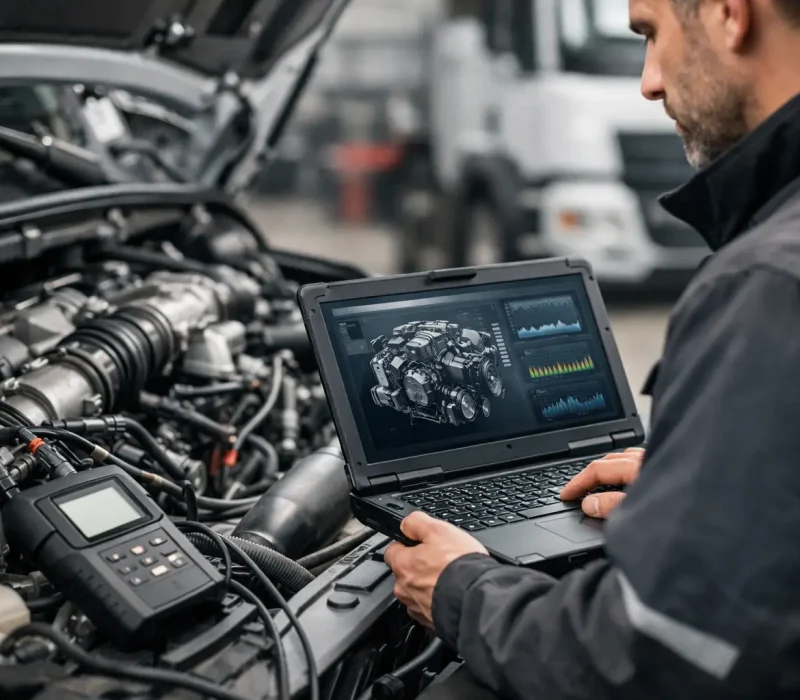
The quickest route to a cost-effective fix is a proper diagnostic appointment at the vehicle. We connect professional diagnostic equipment, inspect relevant readings and look for the relationship between the fault codes, soot loading, differential pressure, air-flow figures and regeneration history.
This approach matters because a warning light is only the visible end of the issue. For example, a DPF pressure reading may be high because the filter is restricted, but it can also be misleading if the pressure sensor or its pipes are faulty. Cleaning a healthy filter will not restore economy if the real issue is incorrect pressure feedback.
During an on-site assessment, the priority is to establish whether the engine can complete regenerations, whether the DPF is loaded with soot or ash, and whether an air or fuelling control fault is causing excessive soot in the first place. Once that picture is clear, you can choose the repair that makes sense for the vehicle and its use.
DPF chemical cleaning can restore diesel fuel economy
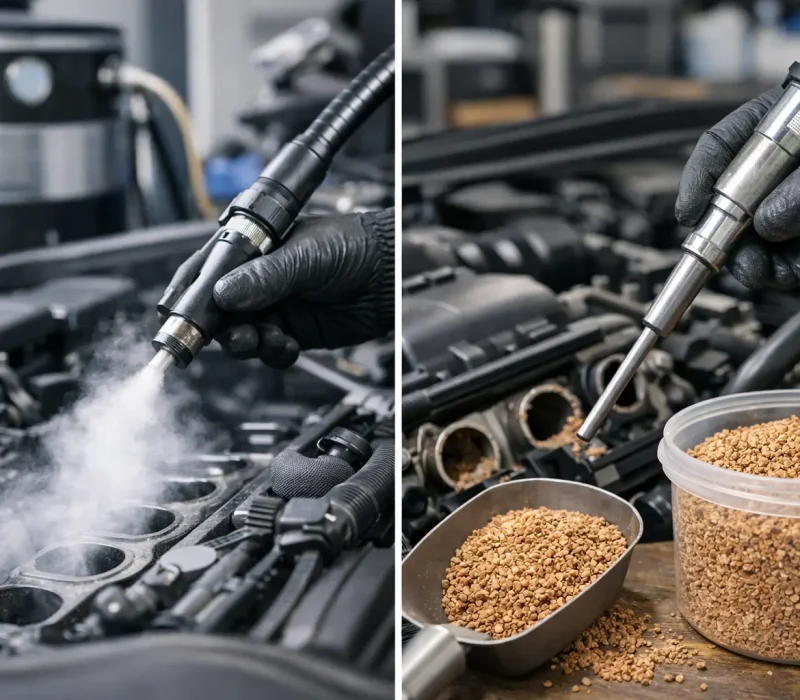
When testing confirms a restricted but serviceable DPF, chemical cleaning can be a practical alternative to removal and expensive replacement. The process targets soot and carbon deposits within the filter, helping restore exhaust flow and reducing the strain placed on the engine during regeneration.
A cleaner DPF does more than remove a warning light. It can improve throttle response, reduce the feeling that the engine is being held back and help the vehicle return to a more normal regeneration pattern. That is where fuel savings often come from: the engine is no longer working against excessive exhaust restriction or repeatedly injecting extra fuel to raise exhaust temperatures.
There are limits. If a filter is physically damaged, heavily ash-loaded after very high mileage, or the vehicle has an underlying fault that is still producing excess soot, cleaning alone is not the full answer. The cause must be dealt with first or the same restriction will return.
A realistic example is a 2017 Ford Transit Custom used by a Tamworth tradesman for short weekday jobs and occasional motorway runs. The van may still be capable of a longer run, yet the owner notices worse MPG, a cooling fan running after switch-off and a DPF warning appearing intermittently. Diagnostic data may show incomplete regenerations and elevated differential pressure. After confirming the sensors and associated engine readings are sound, a mobile DPF chemical clean can restore flow and give the van a better chance of completing normal regeneration again – without losing a working day travelling to and waiting at a workshop.
When an Eco remap is the right next step
Once the diesel is mechanically healthy, a custom Eco ECU remap can improve the way it delivers torque and uses fuel. This is not a generic file loaded because the badge says diesel. The calibration is written for the individual vehicle, using genuine professional tools and staying within safe manufacturer tolerances.
The aim is not to chase maximum figures. An Eco remap can bring usable torque lower in the rev range, so the vehicle needs less throttle input and fewer unnecessary downshifts in normal driving. For a commuter, a towing vehicle or a light commercial van, that stronger mid-range pull can make everyday driving calmer as well as more economical.
Results depend on route, load and driving style. A driver covering steady A-road and motorway miles is more likely to see a meaningful MPG benefit than a vehicle making repeated two-mile cold starts. A heavily laden van or caravan-towing vehicle may still use more fuel than when unladen, but improved torque delivery can reduce the need to work the engine as hard.
An Eco calibration is best considered after the diagnostic and maintenance side has been addressed. Mapping around a blocked DPF, air leak or unresolved engine-management fault is not responsible tuning. Fix the restriction first, confirm the vehicle is running correctly, then tailor the ECU calibration to how it is used.
Habits that protect the improvement
After DPF cleaning or an Eco remap, the vehicle still needs the right operating conditions to hold onto the gains. For diesels used mainly on short journeys, give the engine a regular sustained drive once fully warm where practical. This supports normal regeneration far better than repeatedly stopping and starting before the exhaust system has reached temperature.
Use the correct specification oil and avoid ignoring early warning signs such as a rising oil level, a persistent engine-management light, reduced power or a cooling fan that runs regularly after parking. These can point to failed regenerations or fuel dilution, both of which deserve prompt investigation.
For business users, track fuel use over comparable routes rather than judging one tank in isolation. Weather, traffic, payload and regeneration cycles all affect the number. A consistent comparison over several weeks gives a far clearer view of whether the underlying fault has been resolved and whether an Eco remap is delivering the expected benefit.
Choose the service that matches the fault
If your diesel has suddenly lost MPG, feels restricted or has a DPF or engine-management warning, diagnostics should come first. If the readings confirm DPF restriction and the filter is suitable for treatment, chemical cleaning is the sensible route. If the vehicle is healthy but you want stronger low-down torque and better everyday efficiency, a custom Eco remap may be the better fit.
Book a mobile diagnostic, DPF chemical clean or custom Eco ECU remap with High REVS Performance and get the work carried out at your Tamworth or Staffordshire home or workplace, with a clear plan based on what your diesel actually needs.