


At High REVS Performance, our mobile service across Tamworth and Staffordshire regularly sees diesel faults that started as a small change in fuel economy, a longer crank, or a warning light that was ignored for one more week. A proper diesel maintenance checklist is not about adding jobs for the sake of it. It helps you catch the conditions that lead to blocked DPFs, poor torque, limp mode and expensive downtime before they become a recovery or replacement bill.
For a daily commuter, a tow vehicle or a working van, the aim is simple: keep the engine breathing properly, keep the fuel and oil systems protected, and diagnose faults from evidence rather than guesswork. That also gives you a sound base for a safe, custom-written Eco, Balanced or Stage 1 remap.
Diesel Maintenance Checklist: Start With How You Use It
Diesel maintenance intervals should reflect real use, not just the mileage on the odometer. A car that covers 15,000 motorway miles a year has a very different DPF workload from one that does school runs, local deliveries and short trips around town.
Ask yourself whether the vehicle regularly reaches full operating temperature and then has enough steady running time to complete a DPF regeneration. If most journeys are under 15 minutes, the filter may not get the conditions it needs, even when the vehicle is otherwise well maintained. Frequent interrupted regenerations can dilute engine oil with fuel, raise soot loading and eventually trigger restricted performance.
This matters particularly for drivers using their vehicle for work. A diesel that is dependable Monday to Friday is worth more than one that only feels quick when it is not showing a warning light. If its duty cycle has changed – perhaps a new job means more local journeys – its maintenance plan needs to change with it.
Check Oil Level, Grade and Service Timing
Engine oil does far more than lubricate moving parts. In a modern turbo diesel, it also protects the turbocharger, supports emissions-system operation and has to tolerate higher soot loading than oil in many petrol engines. Use the manufacturer-specified low-SAPS oil where required, particularly on DPF-equipped vehicles.
Check the level on level ground, with the engine warm and allowed to settle. A falling oil level may point to a leak or oil consumption. A level that has risen above maximum needs prompt attention, especially if the vehicle has had DPF regeneration problems. Fuel entering the oil during repeated incomplete regenerations reduces lubrication quality and is not a fault to leave until the next scheduled service.
For hard-working diesels, short-trip vehicles and towing vehicles, waiting for the absolute maximum dashboard service interval is often false economy. Fresh, correct-specification oil and a quality filter are a practical investment in turbo and engine life.
Pay Attention to DPF Regeneration Clues
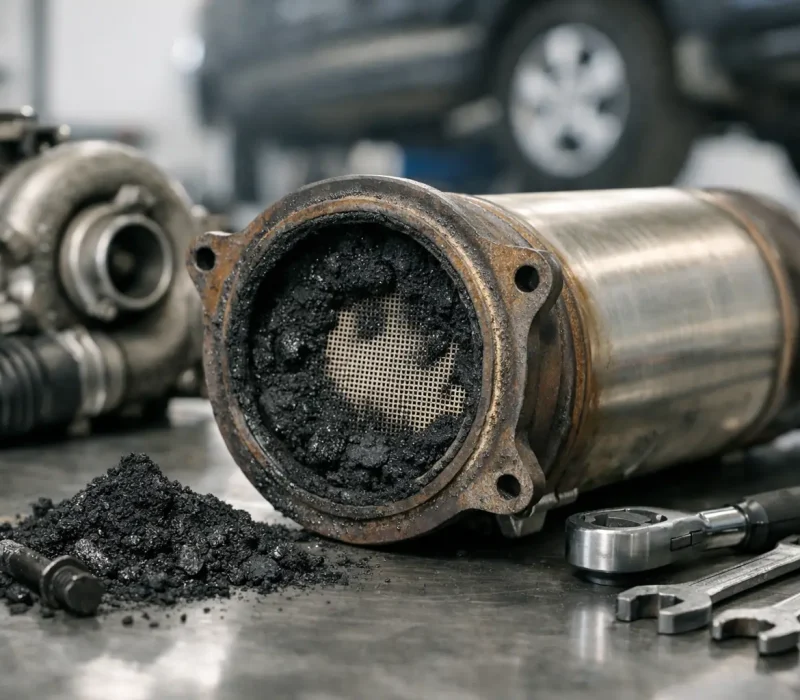
The DPF catches soot produced during normal diesel combustion. It then needs to burn that soot away through regeneration. That process is routine, but it depends on the engine reaching suitable temperatures and on the supporting sensors, injectors, thermostat and exhaust system working correctly.
Common signs of a DPF that needs attention include increased fuel use, cooling fans running after a journey, an acrid hot smell, a DPF or engine warning light, reduced power and frequent attempts at regeneration. Do not assume a long motorway run will cure every warning. If the filter is heavily loaded or a sensor fault is present, forcing the issue can make the situation worse.
A professional diagnostic check identifies whether the problem is genuine soot loading, excessive ash accumulation, a failed pressure sensor, a temperature-sensor issue, an EGR-related fault or another cause. Where the vehicle is suitable, DPF chemical cleaning can remove soot and restore exhaust flow without the cost of unnecessary DPF replacement. The correct route depends on live data, not on clearing a code and hoping it stays away.
Keep Fuel Quality and Filters on the Checklist
Water, contamination and restricted fuel supply can create symptoms that feel like a major mechanical failure: hesitation under load, difficult starting, uneven running and fault codes for fuel pressure. Diesel fuel filters are there to protect high-pressure components, but they cannot do their job indefinitely.
Replace the fuel filter in line with the vehicle’s requirements and sooner where use is demanding or fuel quality is uncertain. This is especially sensible for vans that spend long periods standing, seasonal vehicles and vehicles with high annual mileage. A blocked filter can restrict fuel delivery just when you ask the engine for torque while overtaking, towing or climbing.
If the engine cranks longer than usual, loses power only under acceleration or develops a new rough idle, arrange diagnostics before fitting parts at random. Live rail-pressure readings and fault-code analysis can narrow down the cause far faster than guesswork.
Inspect Airflow, Boost and Carbon Buildup
A diesel needs clean, unrestricted airflow to burn fuel efficiently. A clogged air filter, split boost hose, leaking intercooler pipe or sticking EGR system can all reduce torque and increase soot production. You may notice a whistle or whoosh under acceleration, flat response, black smoke, a change in fuel economy or a vehicle that feels as though it suddenly loses its pull at higher revs.
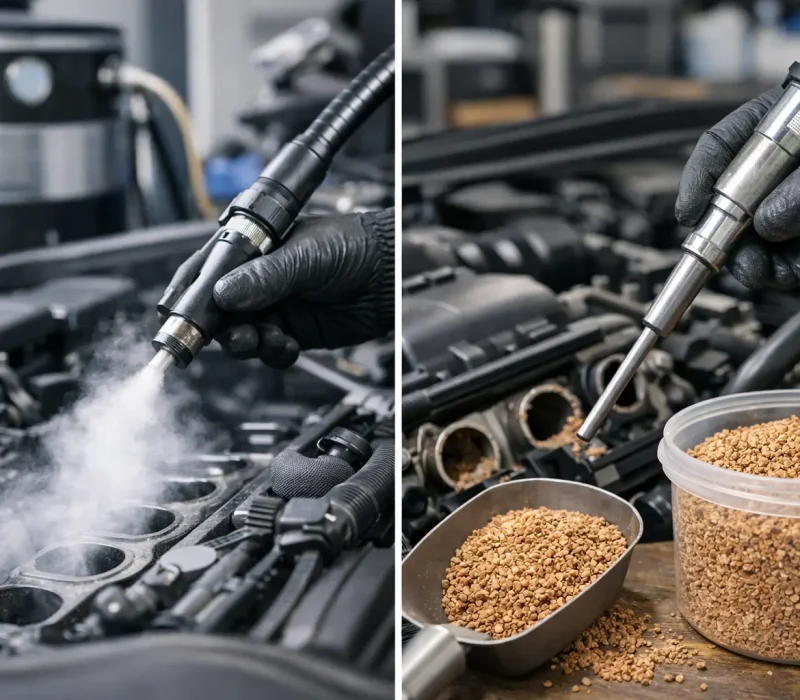
Carbon buildup is also a common issue on modern diesels, particularly those used for shorter runs. Deposits around the intake and EGR system affect airflow and combustion quality. The result can be sluggish throttle response, poor low-down torque and increased strain on the DPF system.
A visual inspection can reveal obvious hose damage, but a proper on-site diagnostic appointment goes further. Comparing requested and actual boost, airflow and DPF pressure under the right conditions helps establish whether the issue is a leak, a sensor reading, carbon restriction or another fault. That distinction protects you from paying for work that does not address the cause.
Watch for Changes Before They Become Limp Mode
Drivers usually know their own vehicle better than they think. The useful warning signs are often gradual: an extra visit to the fuel station, more revs needed to maintain speed, a hesitant pull in a higher gear or a regeneration message appearing more often.
Take the example of a Ford Transit Custom used by a Tamworth tradesperson. It may spend all week on short local runs with tools in the back, then pull onto the A5 fully loaded. If it begins to feel flat in third and fourth gear and the fuel use rises, the answer is not automatically a remap or a replacement DPF. We would first check fault codes, DPF differential pressure, exhaust temperatures, boost readings and regeneration history. A blocked filter, split boost pipe or airflow issue needs correcting before any performance calibration is considered.
That process is what makes a remap safe and worthwhile. A healthy engine can benefit from stronger, more usable torque and improved response. A vehicle with unresolved faults should be repaired first.
Keep a Record of Warning Lights and Recent Work
When a warning light appears, note what happened immediately before it: the length of the journey, whether you were towing, fuel level, weather conditions and whether the vehicle went into reduced-power mode. A warning that only returns under load carries different clues from one that appears during stop-start driving.
Keep invoices and service records as well. Knowing when the fuel filter, oil, air filter, timing-belt components or auxiliary belt were last replaced helps us assess the vehicle accurately at the driveway or workplace. It also prevents duplicate work and makes it easier to plan maintenance around your schedule.
Do not clear a repeated engine-management light simply to get through the week. The light is a symptom, and the stored data can be the fastest route to the actual problem. Clearing it before diagnosis may remove useful information while leaving the fault untouched.
Prepare Properly Before a Stage 1 Remap
A Stage 1 remap should improve a well-maintained diesel, not disguise an existing problem. Before a custom calibration, we check the vehicle’s condition, read fault codes and assess whether there are issues that could compromise reliability. That is particularly relevant for higher-mileage diesels, tow vehicles and vans that work for a living.
Once the engine is healthy, the right calibration can deliver stronger mid-range torque, more confident overtaking and better drivability. Drivers focused on running costs may prefer an Eco or Balanced option, while those seeking a more engaging drive may choose Stage 1 Power. Each is written for the specific vehicle and kept within sensible manufacturer tolerances, rather than loaded as a generic file.
Book a mobile diagnostic appointment, DPF chemical clean or ECU remap with us, and we will assess your diesel where it is parked – at home or at work – before a minor warning becomes an avoidable repair bill.