


High REVS Performance provides mobile ECU remapping across Tamworth and Staffordshire, so the difference is felt where the vehicle earns its keep: on the commute, the school run, a motorway run or while towing. A useful diesel remap testimonial is not simply a claim that the car feels faster. It explains whether the engine is smoother, the torque arrives more naturally, overtaking needs less effort and the result suits the way that particular owner drives.
A well-written Stage 1 testimonial should also tell you what happened before the remap. Was the driver frustrated by a flat spot? Did a loaded van struggle on inclines? Were they covering enough motorway miles for better mid-range pull and potential economy gains to make a genuine difference? Those details matter far more than dramatic promises.
What drivers usually notice after a Stage 1 remap
For most diesel owners, stronger torque is the change they notice first. The car does not need to be worked as hard to pick up speed, especially from lower revs in the gears used every day. On a typical diesel saloon, SUV or light commercial, that can mean joining a busy dual carriageway with more confidence, passing slower traffic with fewer downshifts, or towing without the engine feeling laboured.
Throttle response is often cleaner too. A standard calibration can feel restrained, particularly where manufacturers have used one engine specification across several markets or vehicle models. A custom-written Stage 1 ECU remap adjusts the engine’s available potential within sensible manufacturer tolerances. The aim is usable, controlled performance, not a sudden surge that makes the vehicle difficult to drive smoothly.
Economy can improve, but this part of a diesel remap testimonial needs context. Drivers who use the extra torque to change up earlier and maintain speed with less throttle may see an MPG benefit. Drivers who enjoy the stronger acceleration at every opportunity may not. The outcome depends on route, load, driving style, tyre pressures and the vehicle’s mechanical condition before work begins.
A realistic mobile remap scenario
Consider a 2017 Volkswagen Passat 2.0 TDI used by a Tamworth-based commuter travelling towards Birmingham several days a week, with regular weekend journeys carrying family luggage. The owner may not be chasing a track-car feel. Their complaint is more practical: the car is economical enough on a steady run but hesitant when pulling from 40 mph, and it needs a downshift before it feels willing on an uphill slip road.
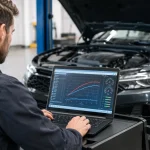
Before a mobile Stage 1 remap, the vehicle should be checked for stored fault codes and any signs that a mechanical issue is hiding behind the lack of performance. If the diagnostic scan identifies a boost-control fault, an airflow issue or an active DPF problem, remapping is not the first answer. The fault needs investigating first. Adding calibration changes to a vehicle already in limp mode is not a professional route to a good result.
Where the Passat is healthy, a tailored Stage 1 remap can give it a more decisive mid-range response. The driver is likely to describe the result as easier rather than wild: less waiting for the car to gather itself, stronger pull in the middle of the rev range and calmer overtakes. On the motorway, the benefit is often the ability to maintain momentum on gradients without pressing the accelerator deep into the carpet.
That is the sort of experience a credible testimonial should describe. It is specific, relevant to the owner’s route and avoids pretending that every diesel will produce identical figures or fuel savings.
Why a custom file matters in a diesel remap testimonial
The quality of the calibration determines whether a driver is pleased months later, not just during the first drive after the appointment. A proper mobile remap process starts by identifying the vehicle accurately, reading the original ECU data and checking its condition. The file should be written for that vehicle, rather than loaded from a generic database with no consideration for its specification or intended use.
This is particularly relevant for high-mileage diesel cars, towing vehicles and working vans. Their owners need torque that is delivered progressively and reliably. A remap that chases the largest possible headline number can create an unpleasant drive, place unnecessary strain on tired components or expose an existing clutch, turbo or DPF issue. Safe gains and consistent drivability are worth more than a graph designed to impress for five minutes.
Professional tools and an experienced technician also protect the process itself. ECU communication, file handling and verification are not areas for shortcuts. Customers should be able to ask what is being changed, why it suits their vehicle and what checks have been completed before the remap begins.
The questions behind an honest testimonial
When reading a diesel remap testimonial, look beyond phrases such as “brilliant service” or “loads quicker”. They are welcome feedback, but they do not tell you enough about the work. The most helpful accounts answer a few practical questions: what vehicle was remapped, what problem or goal did the owner have, and what changed during normal driving?
They should also mention the service experience. For a mobile appointment, convenience is a real part of the value. A remap carried out at home or at work saves the customer arranging lifts, sitting in a waiting room or losing a day to a garage visit. That convenience should not mean a rushed job. The same vehicle checks, careful file work and post-remap checks still apply on a driveway or workplace car park.
A testimonial is especially reassuring when the owner comments on how the technician dealt with questions. Diesel tuning is not something drivers should feel pressured into. A good service provider will explain whether an Eco, Balanced or Stage 1 Power option matches the vehicle’s use, and will say when diagnostics or remedial work should come first.
When a remap is not the right first job
A drop in power does not automatically mean a diesel needs an ECU remap. If a DPF warning light is on, regenerations are failing or the vehicle has gone into limp mode, the priority is diagnosis. The same applies to excessive smoke, unusual turbo noises, persistent engine-management warnings or a clear loss of performance that appeared suddenly.
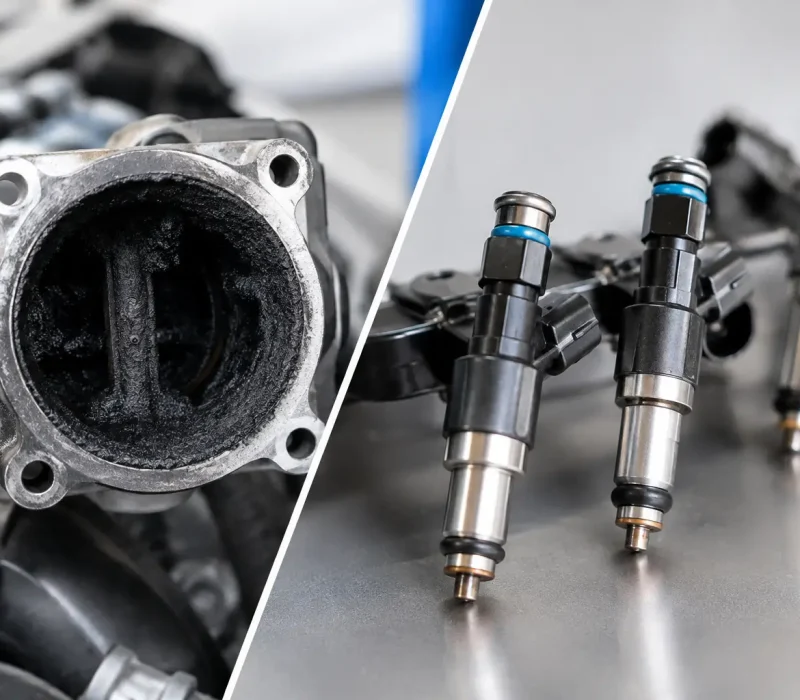
For example, a delivery van used mainly for short local trips around Staffordshire can develop DPF loading because it rarely reaches the conditions needed to regenerate properly. A remap cannot remove ash accumulation or cure a sensor fault. High REVS Performance can carry out on-site diagnostics to identify the cause and, where suitable, provide DPF chemical cleaning to restore flow and help prevent the far greater cost of DPF replacement.
Once the underlying issue has been resolved and the vehicle is running correctly, a remap can be considered on its own merits. For some owners, an Eco or Balanced calibration is the better fit than a full Stage 1 Power remap. The right choice follows the vehicle’s condition and workload, not a one-size-fits-all sales pitch.
The result that lasts beyond the first drive
The best feedback after a diesel remap tends to come a few weeks later. That is when the driver has completed their ordinary journeys, towed a trailer, loaded the van, driven in traffic and covered a long motorway distance. If the vehicle is easier to drive, pulls cleanly and delivers the expected benefit for its use, the remap has done its job.
For a dependable result, the vehicle must start from a sound base and the calibration must respect its limits. That is why mobile diagnostics, transparent advice and custom-written ECU software belong in the same conversation as performance. The goal is not simply more power. It is a diesel that feels better suited to the work its owner asks of it.
If your diesel feels flat, needs stronger towing torque or could deliver more from every mile, book a mobile ECU remap or diagnostic appointment with High REVS Performance. We can assess the vehicle at your home or workplace and recommend the safest, most useful route for the way you drive.