

A mobile carbon-cleaning appointment should produce more than a vague promise that an engine feels better. At High REVS Performance, serving Tamworth and Staffordshire at home or work, carbon cleaning feedback starts with the symptoms you brought to us: sluggish pickup, uneven idle, poor fuel economy, hesitation under load or a warning light that keeps returning. The useful question is not simply whether the vehicle feels different afterwards. It is whether the work has addressed the restriction or fault behind those symptoms.
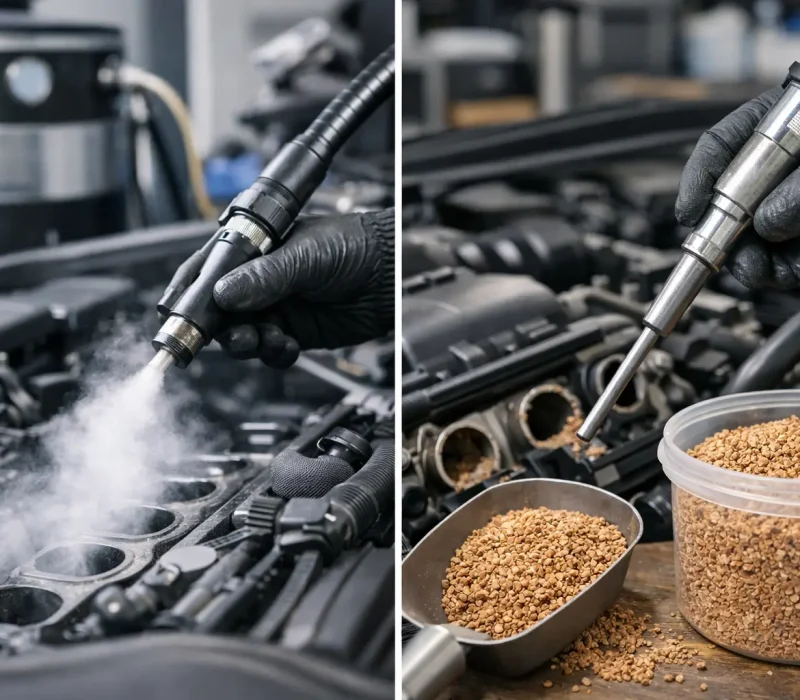
For modern petrol and diesel engines, carbon deposits can affect airflow and combustion quality. That can make a normally capable vehicle feel flat, particularly during short journeys, stop-start commuting and low-speed driving. But carbon buildup is not the explanation for every loss of performance. A proper mobile diagnostic check before work begins protects you from paying for the wrong service.
What good carbon cleaning feedback actually sounds like
The most credible carbon cleaning feedback is specific. Drivers usually describe a change in how the vehicle behaves during the journeys they already make, rather than making dramatic claims about peak power.
After suitable carbon-cleaning work, owners may report stronger low-rev response, smoother acceleration through the mid-range and less hesitation when pulling away. A diesel driver might notice that the engine does not need as much throttle to keep pace in traffic, while a petrol owner may find the vehicle feels cleaner and more consistent during town driving.
Fuel economy can improve where carbon restriction was contributing to inefficient running, but it should be treated as a measured outcome over several tanks of fuel, not a number guessed from one short drive. Route, load, weather, driving style and an existing DPF issue all affect MPG. For customers who tow, carry tools or cover high motorway mileage, improved torque delivery can be as valuable as the fuel saving itself.
Feedback worth taking seriously often includes four practical changes:
- smoother cold starts and idle stability;
- crisper throttle response from low revs;
- more consistent pull under acceleration or while towing;
- fewer symptoms linked to restricted airflow, once the underlying cause has been confirmed.
These are useful signs, but they are not a substitute for fault-code reading and live diagnostic data. If a sensor, boost leak, injector fault or DPF blockage is present, carbon cleaning alone may not resolve the complaint.
Carbon cleaning feedback depends on the starting condition
A vehicle with a lightly contaminated intake may feel noticeably sharper after cleaning. One with a serious mechanical or emissions-system fault may show little change until that fault is repaired. That difference explains why online reviews can appear contradictory: two owners may use the same words, carbon cleaning, for entirely different vehicle conditions and different services.
Diesel vehicles deserve particular care here. Carbon deposits in the intake system and soot loading in the DPF are connected by the wider way the engine is being used, but they are not the same problem. An intake-related restriction can affect airflow and drivability. A loaded DPF can trigger warning lights, limit performance and eventually place the vehicle into limp mode. Treating one does not automatically cure the other.
This is why on-site diagnostics come first when the vehicle has an engine management or DPF warning. We can read fault codes, assess the complaint and establish whether a DPF chemical clean, carbon-cleaning service or another repair route is the sensible next step. It is a more transparent approach than assuming every sluggish diesel needs the same treatment.
A typical Staffordshire commuting example
Consider a 2017 Ford Transit Custom used by a Tamworth tradesperson. It spends most weekdays completing short local runs, carrying tools and idling between jobs. The owner notices reduced pull from low revs, more frequent regeneration behaviour and a warning light appearing after busy weeks. The van still starts and drives, but it no longer feels dependable when joining the A5 with a full load.
In that situation, the first job is not to sell a clean. Mobile diagnostics may show DPF-related fault codes, excessive soot loading, a pressure-sensor concern or a separate issue affecting regeneration. If the readings support it, a professional DPF chemical clean can be carried out to address the blockage and help avoid the cost and downtime of premature DPF replacement. If intake contamination is also contributing to poor airflow, carbon cleaning may form part of the wider plan.
The feedback that matters afterwards is practical: the van pulls more cleanly, warning-light behaviour has been addressed, and the owner can return to work without losing a day at a garage. That is a meaningful result, but it comes from identifying the condition correctly rather than applying a generic treatment.
What a mobile appointment should include
Convenience should not mean cutting corners. A mobile service is particularly useful for drivers whose vehicle is still mobile but inconvenient to leave at a workshop, including busy commuters, sole traders and light-fleet operators. The process still needs to be methodical.
Before recommending carbon cleaning or DPF work, the technician should listen to the symptoms and how the vehicle is used. Short urban trips, motorway mileage, towing, warning lights and recent repair history all change the diagnosis. Diagnostic equipment is then used to check stored codes and relevant live data, giving a clearer picture of whether the proposed service matches the fault.
After the work, you should be told what was found, what has been carried out and what to watch for. If a related issue remains, such as a sensor fault or a driving pattern that repeatedly interrupts regeneration, direct advice is more valuable than an overconfident promise. Professional feedback is not always “everything is fixed”; sometimes it is a clear next step that prevents repeat problems.
When carbon cleaning may not be the answer
Carbon cleaning is a maintenance and restoration service, not a cure for worn components. A failing turbo actuator, split boost hose, injector problem, EGR fault or low compression can all create similar complaints. If the engine has a persistent warning light, heavy smoke, severe misfire or repeated limp mode, diagnosis is the sensible starting point.
The same applies when a customer asks whether carbon cleaning will make a vehicle significantly faster. Removing a restriction can restore response that has been lost, but it is not a replacement for a carefully calibrated Stage 1 remap. Once a vehicle is healthy and fault-free, a custom-written ECU remap can be considered for stronger torque, improved response or economy-focused driving, always within suitable manufacturer tolerances.
For example, a healthy diesel estate used for regular motorway mileage may suit an Eco or Balanced remap after its maintenance issues are resolved. A vehicle currently carrying DPF faults does not. Sorting the underlying condition first gives the calibration the best chance of delivering reliable results.
How to judge reviews and recommendations
When reading carbon cleaning feedback, look for detail about the vehicle, symptoms and work completed. A review saying “great service, car feels better” is encouraging, but it does not tell you whether the vehicle had an intake issue, DPF restriction or a separate fault. Reviews that mention diagnostics, clear communication and real-world changes are far more useful.
Also consider how long the improvement lasted. If warning lights return quickly, that can point to a recurring cause rather than poor cleaning. A vehicle that only covers short trips may still struggle to complete regeneration. A failed sensor can still send incorrect readings after a DPF clean. Good aftercare means recognising these limits early, not blaming the driver or masking the issue.
For owners in Tamworth and across Staffordshire, the advantage of a mobile technician is straightforward: the investigation and appropriate service can be carried out where the vehicle is parked, reducing disruption to your working day. You still receive a professional assessment, but without arranging lifts, waiting-room time or taking a van out of service unnecessarily.
If your car or van feels restricted, is returning poor MPG, or has a DPF or engine warning light, book a mobile diagnostic appointment with High REVS Performance. We will check the cause first, then advise whether carbon cleaning, a DPF chemical clean or another repair path is the right way to get your vehicle driving properly again.
Book a carbon clean
Enter your reg and send it straight to me on WhatsApp. Carbon cleaning is routine maintenance – it keeps the engine breathing well. Prefer to talk? Call 07803 102280.