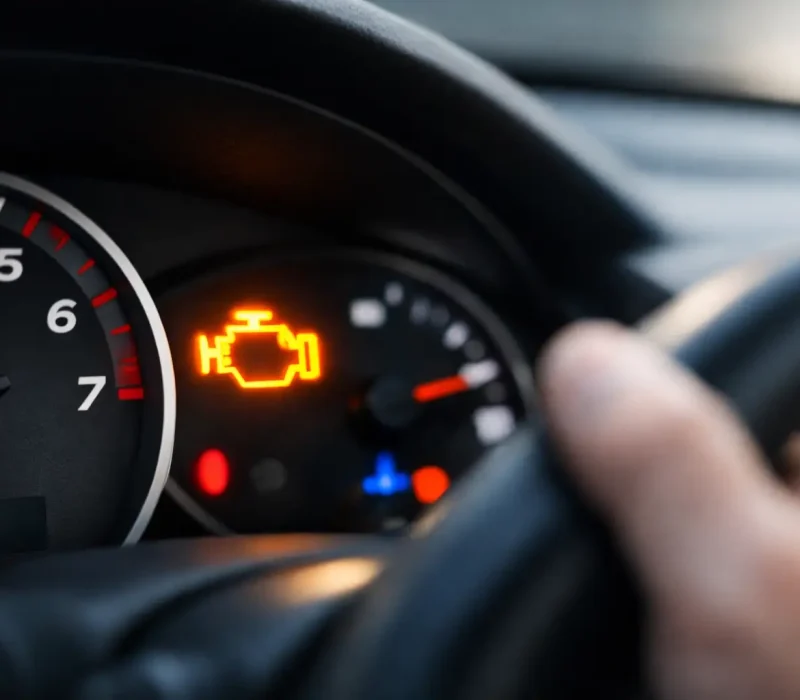



An engine warning light can appear on an otherwise normal journey, then leave you wondering whether you can safely carry on or should pull over immediately. Knowing how to diagnose engine warning lights starts with reading the symptoms around the light, not simply clearing a fault code and hoping it stays away.
A warning light is the vehicle’s way of saying that one of its control systems has recorded a value outside its expected operating range. That may be a minor sensor issue, but it can also point to a developing fault affecting emissions, fuel economy, performance or engine protection. A proper diagnosis identifies the cause before an affordable repair becomes a DPF, turbocharger or catalytic converter bill.
Start by judging the warning light’s urgency
The colour and behaviour of the light matter. A red warning normally means stop as soon as it is safe to do so. This includes low oil pressure, overheating and serious braking warnings. Continuing to drive can cause immediate mechanical damage or create a safety risk.
An amber engine management light usually means the car can be driven cautiously for a short period, provided it is running normally and there are no red warnings. However, “driveable” does not mean “ignore it”. An amber light can still lead to limp mode, poor MPG and damage to emissions components if the underlying issue is left unresolved.
A flashing engine management light deserves more urgency. It commonly indicates an active misfire, where unburnt fuel may be entering the exhaust. This can overheat and damage the catalytic converter quickly. Reduce load, avoid hard acceleration and arrange professional assistance rather than continuing with a motorway run or towing load.
Record the symptoms before connecting diagnostics
Fault codes are valuable, but they are not a complete diagnosis by themselves. The same code can be caused by wiring, a failed sensor, an air leak, poor fuel pressure or a mechanical issue. Before any scan tool is connected, take note of what the vehicle is actually doing.
Consider when the warning first appeared. Did it come on after a cold start, under hard acceleration, during motorway driving, or after repeated short trips? Is the engine slow to respond, smoking, idling unevenly or using more fuel than usual? These details help narrow down the system involved.
For diesel owners, a warning light combined with reduced power, frequent cooling-fan operation, a strong hot smell or failed regeneration attempts may point towards a DPF-related issue. Short, low-speed journeys can prevent a regeneration cycle from completing, but a blocked DPF is not always the root cause. A faulty pressure sensor, thermostat issue, injector problem or excessive soot production can trigger the same chain of events.
If the car has gone into limp mode, note whether switching the ignition off and back on temporarily restores power. That does not repair the fault, but it tells a technician the ECU has entered a protective strategy after seeing a condition exceed its limit.
Check the basics without guessing
There are a few sensible checks a vehicle owner can make safely. They can reveal obvious problems and provide useful context, but they should not become an excuse to replace parts at random.
- Check the engine oil level on level ground, following the manufacturer’s procedure. Low oil can trigger warnings and seriously affect turbocharged engines.
- Check coolant level only when the engine is cold. Never remove a pressurised coolant cap on a hot engine.
- Look for loose intake pipes, split boost hoses, damaged electrical connectors or signs of fluid leaks around the engine bay.
- Listen for new noises such as hissing, whistling, knocking or an uneven idle.
- Confirm whether the fuel cap is fitted correctly, particularly if the warning appeared shortly after refuelling on a petrol vehicle.
Do not spray cleaners into sensors, disconnect components with the ignition on, or continue revving a misfiring engine to “clear it out”. Modern engine systems are closely monitored, and an improvised fix can create additional fault codes or mask the evidence needed for a proper repair.
Read fault codes, then use live data
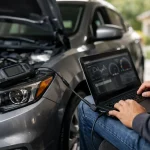
The next stage in how to diagnose an engine warning light is to retrieve the diagnostic trouble codes with suitable equipment. Generic code readers can provide a starting point, especially for basic emissions faults, but dealer-level or professional diagnostic tools offer greater detail. They can access manufacturer-specific codes, freeze-frame data, live readings and actuator tests.
Freeze-frame data shows the conditions present when the fault was recorded. Engine speed, coolant temperature, fuel pressure, airflow and vehicle load can be far more revealing than the code description alone. For example, an underboost code might suggest a boost leak, sticking turbo actuator, vacuum issue or sensor reading fault. The answer depends on what the live data shows under the conditions where the fault occurs.
On a diesel, useful live readings include DPF soot load, calculated ash content, differential pressure, exhaust gas temperatures, regeneration status and injector correction values. These figures help establish whether a chemical DPF clean is appropriate, whether the filter is genuinely restricted, or whether another fault must be repaired first. Cleaning a DPF without resolving the reason it blocked can result in the warning returning quickly.
Petrol vehicles often benefit from checking fuel trims, oxygen sensor operation, ignition misfire counters and airflow readings. A lean-running code, for instance, may come from an intake leak rather than a failed oxygen sensor. Replacing the sensor first may cost money without solving the problem.
Do not treat a code reader as a repair tool
Clearing codes can be useful after a confirmed repair, but clearing them before diagnosis often makes matters harder. It removes freeze-frame information and may temporarily switch off the warning light, only for it to return when the ECU repeats its self-test.
The same applies to fitting parts because an online search says they are common failures. Some components do fail regularly, but professional diagnostics should prove the fault through testing wherever possible. Checking wiring integrity, voltage supply, sensor signals, pressure readings and mechanical operation protects you from unnecessary expense.
This is particularly relevant on vehicles that have been remapped or modified. A correctly custom-written remap within manufacturer tolerances should not create warning lights, but an existing weak component can become more noticeable when the engine is working harder. Accurate diagnostics should establish whether the issue is calibration-related, pre-existing or entirely unrelated before any changes are made.
When it is safe to drive – and when it is not
If the engine management light is steady, the vehicle runs smoothly and fluid levels are correct, a short and gentle journey to arrange diagnostics may be reasonable. Avoid hard acceleration, high engine loads, towing and unnecessary long trips until the fault is understood. Watch for changes in temperature, smoke, warning messages or worsening performance.
Stop driving and seek help if there is a flashing engine light, a red warning, overheating, significant loss of power, fuel smell, heavy smoke, loud mechanical noise or an oil pressure message. These symptoms can turn a manageable repair into major engine or exhaust-system damage.
For busy drivers, waiting in a workshop can add another problem to an already inconvenient warning light. High REVS Performance provides mobile diagnostics across Tamworth and Staffordshire, allowing faults to be assessed at home or at work with professional equipment and a clear explanation of the findings.
Use the diagnosis to choose the right repair
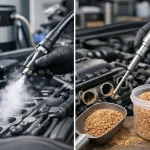
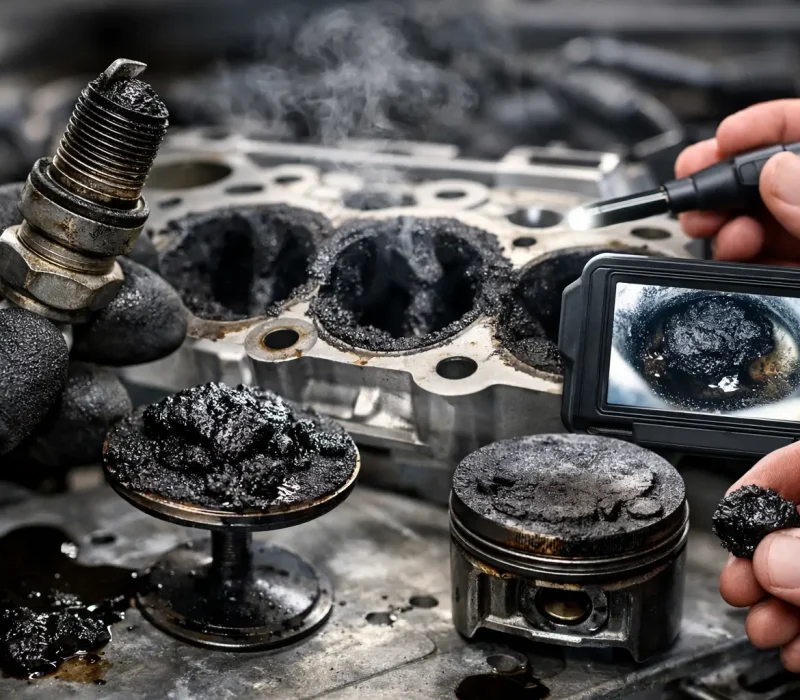
The best outcome is not simply turning the warning light off. It is restoring the correct cause of the fault, confirming the repair with live data and road testing where appropriate. A DPF clean may restore exhaust flow and prevent costly replacement, while carbon cleaning can help address restricted airflow and sluggish response on suitable engines. In other cases, the right answer may be a sensor, hose, wiring repair, service item or deeper mechanical investigation.
Keep a note of the code numbers, symptoms and work completed. If a warning returns, that history gives the next diagnostic check a useful head start. Treat the light as early information from the vehicle, and you have a much better chance of fixing a small problem before it disrupts your work, commute or weekend plans.