

A search for an eco remap review diesel hatchback usually comes from a familiar frustration: the car is reliable enough, but it feels flat pulling away, labours on hills and seems to use more fuel than it should. For a commuter covering regular motorway miles, an Eco remap can make a noticeable difference. The key is understanding what the calibration changes, what results are realistic and whether the vehicle is healthy enough to benefit.
A properly written Eco remap is not simply a file intended to chase the biggest possible MPG figure. It is a custom adjustment to the engine ECU that improves usable torque and efficiency in the rev range where most diesel hatchbacks spend their time. Done within safe manufacturer tolerances, it can make everyday driving easier while reducing the need for heavy throttle inputs.
What an Eco Remap Changes on a Diesel Hatchback
Modern diesel hatchbacks are commonly fitted with turbocharged engines that produce strong low-end torque, but the factory calibration has to suit every climate, fuel quality, driver type and market. Manufacturers also leave margins for longevity, emissions control strategies and broad ownership conditions.
An Eco calibration refines relevant parameters such as torque delivery, boost control, fuelling and throttle response. The purpose is not to turn an economical family hatchback into a track car. It is to give the engine a stronger, more flexible response at normal road speeds, particularly between roughly 1,500 and 3,000rpm.
That extra mid-range torque matters because it allows the car to maintain speed with less accelerator input. On a typical diesel hatchback, this can mean fewer downshifts when joining a dual carriageway, less effort when climbing an incline and more relaxed overtaking. When the driver uses that improved torque sensibly, fuel consumption can improve.
The word “sensibly” is important. A remap gives the driver more usable performance, but it cannot override driving style, traffic conditions or a heavy right foot.
Eco Remap Review: Where MPG Gains Really Come From
The best eco remap results tend to come from drivers whose journeys suit a diesel engine in the first place. High-mileage commuters, motorway users, sales representatives and drivers covering regular A-road routes often see the clearest improvement. Their cars spend enough time at steady speed for the revised torque curve to reduce unnecessary fuelling.
For many diesel hatchbacks, a realistic expectation is an improvement in drivability first, followed by potential fuel savings. Some owners may see a meaningful MPG increase over repeated longer journeys. Others may see a smaller change on paper but still spend less time changing gear and working the engine hard. The exact result depends on the vehicle, its condition and how it is driven.
Town-only use is a different case. Stop-start traffic, cold starts and short runs can limit economy gains, even with a well-developed calibration. If the car rarely reaches full operating temperature or regularly interrupts DPF regeneration, the underlying usage pattern is likely to have more influence on fuel spend than the remap alone.
An Eco remap should therefore be viewed as an efficiency improvement package for the way the car is actually used, not a guaranteed MPG number. Honest tuning starts with that distinction.
The Difference You Are Most Likely to Feel
Most owners notice the change when pulling away and accelerating in higher gears. A diesel hatchback that previously needed a downshift for a moderate incline may hold its gear more confidently. Joining a motorway can feel less strained, and overtaking can require less planning because the engine responds more promptly.
This is particularly useful on popular diesel hatchbacks with smaller-capacity engines. A 1.6 or 2.0 diesel may already have respectable factory torque, but the original delivery can be conservative. With a safe custom calibration, torque can arrive more cleanly through the middle of the rev range rather than feeling delayed or uneven.
For daily drivers, that flexibility is often more valuable than outright peak power. It makes the vehicle feel more suited to loaded journeys, family trips and regular commuting without needing to drive it aggressively.
Vehicle Condition Comes Before Calibration
An ECU remap cannot repair a blocked DPF, a split boost hose, a sticking EGR valve or worn injectors. In some cases, adding torque to an engine with an existing fault can make the problem more obvious. This is why a professional approach begins with a health check and diagnostic assessment where required.
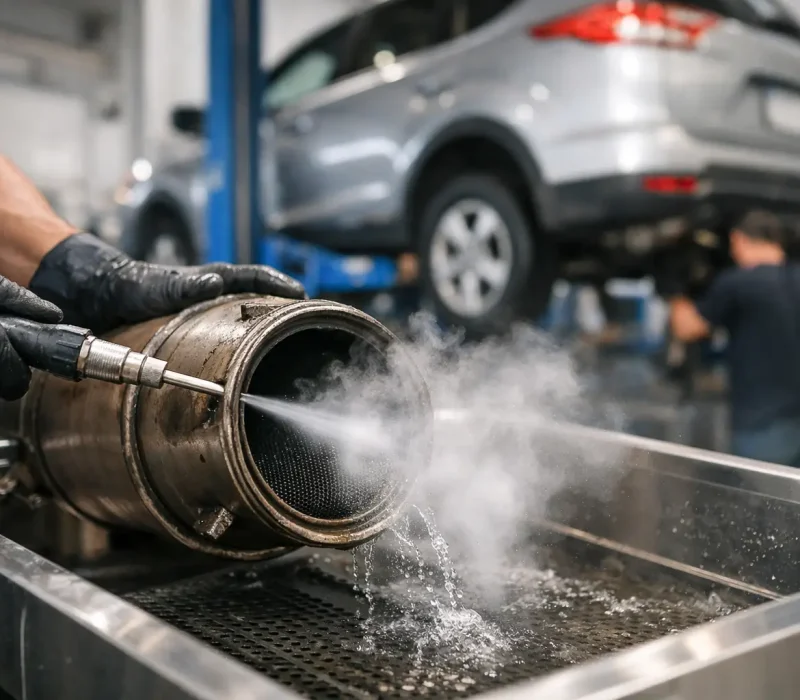
Warning lights, limp mode, excessive smoke, poor starting, uneven idle or sudden drops in MPG should be investigated before tuning. The same applies if the DPF regeneration cycle appears frequent or incomplete. A restricted DPF creates back pressure and can affect performance and fuel economy, so it makes little sense to optimise the ECU while the exhaust system is struggling to breathe.
Carbon build-up can also affect diesel engines, especially those used mainly for short journeys. Deposits around the intake and EGR system can restrict airflow, leading to sluggish response and reduced efficiency. Resolving those issues first gives the remap a sound mechanical foundation and helps the driver get a more consistent result.
At High REVS Performance, this practical order matters. Remapping, DPF chemical cleaning, carbon cleaning and diagnostics are complementary services because modern diesel problems are rarely solved by guessing at a single cause.
Custom Writing Versus a Generic File
The quality of an Eco remap is determined by more than the claimed power and torque figures. A generic file copied across multiple vehicles may alter the same headline settings every time, regardless of how the individual car drives or what hardware it has. That is not the right approach for an owner who wants reliability and useful economy.
A custom-written remap considers the vehicle’s original ECU data and is developed within appropriate safe limits. The aim is smooth torque, controlled fuelling and dependable operation rather than a dramatic graph designed to sell a number.
This is particularly relevant for cars with higher mileage. A well-maintained diesel hatchback can respond very well to a conservative calibration, but the tuning should respect the age and condition of the clutch, dual-mass flywheel, turbocharger and drivetrain. If there are signs of clutch slip or drivetrain weakness, those should be discussed honestly before any work begins.
Genuine professional tools and correct ECU procedures also matter. Modern control units are sophisticated, and reliable programming is not an area to cut corners. A proper service should explain what is being done, retain the original software and avoid unrealistic promises.
Is an Eco Remap Better Than a Balanced Remap?
It depends on what you want from the hatchback. An Eco remap is the natural choice for drivers focused on fuel costs, relaxed motorway cruising and stronger low-rev torque. It suits those who cover regular miles and want the car to feel less effortful without prioritising maximum output.
A Balanced remap can suit an owner who wants some economy improvement but also enjoys a more noticeable performance gain. It is often a sensible middle ground for drivers who commute during the week but use the car for longer trips, towing a small trailer or carrying passengers and luggage at weekends.
A Stage 1 Power remap is aimed more directly at performance. It can still improve efficiency when driven gently, because the additional torque reduces effort in normal driving. However, it is not the same as an Eco calibration, and it should not be chosen solely on the expectation of better MPG.
Getting an Honest Result From Your Review
The most useful owner reviews are based on repeatable conditions. Check fuel economy over several full tanks, use similar routes where possible and avoid judging the result from one unusually clear motorway run. The trip computer is helpful, but brim-to-brim calculations give a better long-term picture.
Pay attention to how the car behaves as well. Does it pull more smoothly from low revs? Are hills and overtakes easier? Are you changing down less often? Those practical improvements are often the reason an Eco remap feels worthwhile, even before the savings add up.
For drivers in Tamworth and across Staffordshire, a mobile appointment also removes the lost time of arranging a garage visit. The vehicle can be assessed and calibrated at home or work, provided there is suitable access and the car is ready for the appointment.
The right Eco remap should leave a diesel hatchback feeling like a better version of itself: more responsive in everyday traffic, calmer on longer journeys and capable of using fuel more efficiently when the vehicle and driving pattern support it.