

A useful stage 1 remap towing example is not about chasing a headline power figure. It is about the moment a loaded caravan, horsebox or work trailer meets a long incline and the vehicle holds its speed without constant downshifts, hesitation or an uncomfortable struggle through the gears.
For towing drivers, torque delivered in the right part of the rev range matters far more than an impressive number on paper. A professionally written Stage 1 calibration can make a diesel vehicle feel more capable when loaded, improve response at motorway speeds and make overtaking decisions less stressful. It does not increase the legal towing limit, turn an unsuitable vehicle into a tow car or remove the need for correct loading. It simply helps the engine use its existing potential more effectively.
A realistic Stage 1 remap towing example
Take a typical 2.0-litre diesel SUV or van that produces around 150 bhp and 340 Nm of torque from the factory. It may be perfectly adequate when unladen, but with a 1,400 kg caravan or a loaded box trailer attached, the gaps in its performance become more noticeable. Pulling away on an incline may require more clutch work, joining a dual carriageway can feel slow, and a moderate motorway hill may prompt an automatic gearbox to kick down more often than the driver would like.
A custom Stage 1 remap may increase output to roughly 185 bhp and 410 Nm, depending on the exact engine, gearbox, condition and manufacturer limits. The key change is not necessarily the maximum bhp. It is the additional usable torque through the middle of the rev range, where most towing takes place.
In practical terms, the driver may find that sixth gear is more usable on a motorway gradient, that 50 to 70 mph acceleration is stronger when the trailer is attached, and that the vehicle needs less throttle to maintain momentum. On a manual vehicle, this can mean fewer unnecessary gear changes. On an automatic, it can mean calmer progress with less hunting between gears.
That is the type of result most owners want: more control and less effort, rather than driving flat-out.
Why torque changes the towing experience
A laden vehicle needs force to overcome weight, gradient, rolling resistance and aerodynamic drag. Once a caravan or tall trailer is behind the vehicle, wind resistance rises quickly at speed. That is why a tow car that feels quick on its own can feel noticeably less willing when loaded.
A Stage 1 calibration can improve torque delivery by carefully adjusting parameters such as fuelling, boost control and torque limiters within safe operating boundaries. Done correctly, it provides a broader, more responsive pull rather than a sudden surge that upsets traction or places unnecessary strain on drivetrain components.
For a driver towing on Staffordshire roads, the benefit is often most obvious on rolling A-roads, slip roads and gradients. You have more reserve when the road changes, which can make the journey more relaxed. It is particularly useful for high-mileage drivers and light commercial users who regularly tow tools, machinery or stock.
However, more torque also makes poor mechanical condition easier to expose. A clutch already close to its limit may slip under heavier load. An ageing dual-mass flywheel, tired engine mounts or a gearbox with overdue servicing can become more apparent after a remap. This is why the vehicle should be assessed honestly before any tuning work is carried out.
What a remap will not change
A Stage 1 remap does not alter the manufacturer’s plated towing capacity, gross train weight, axle limits or nose-weight limit. Those figures remain the legal and safe boundaries for the vehicle, no matter how much additional power or torque it produces.
It also cannot correct poor trailer loading. A badly balanced caravan, excessive nose weight, underinflated tyres or an unstable trailer will still create a safety issue. Greater engine performance should never be treated as permission to tow more than the vehicle is designed and insured to pull.
There is also a difference between making progress easier and reducing stopping distance. Stronger acceleration does not improve brakes, tyres or trailer brake condition. Before towing, both vehicle and trailer must be maintained to a standard that matches the load and journey.
Is a Stage 1 remap suitable for every towing vehicle?
Not always. Suitability depends on the vehicle, its mileage, its service history, the weight being towed and how often it works under load. A well-maintained modern diesel with sound clutch, gearbox and cooling systems is often a good candidate. A vehicle with recurring fault codes, DPF warnings, boost leaks or signs of injector problems needs diagnosis first.
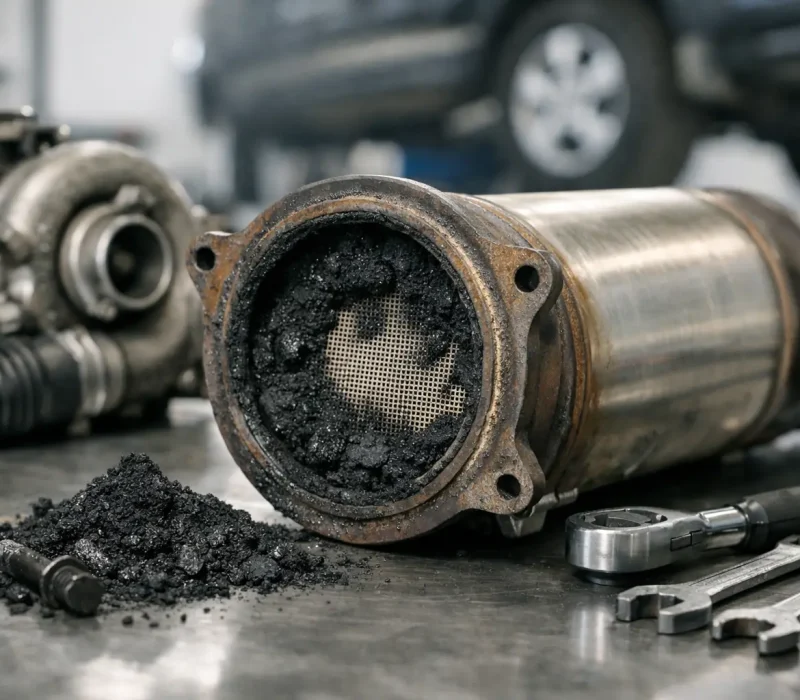
DPF condition matters especially for diesel tow cars. Towing can help an engine reach operating temperature on a longer run, but repeated short journeys before and after towing can still contribute to incomplete regeneration. If a DPF is already heavily loaded with soot or ash, adding performance is not the first step. The underlying issue should be identified and resolved properly.
The same applies to carbon build-up. Restricted intake airflow can make a diesel feel flat and unresponsive, masking part of the performance it should already have. On suitable engines, carbon cleaning may be worth considering before a remap so the calibration is working with a healthy engine rather than compensating for a maintenance problem.
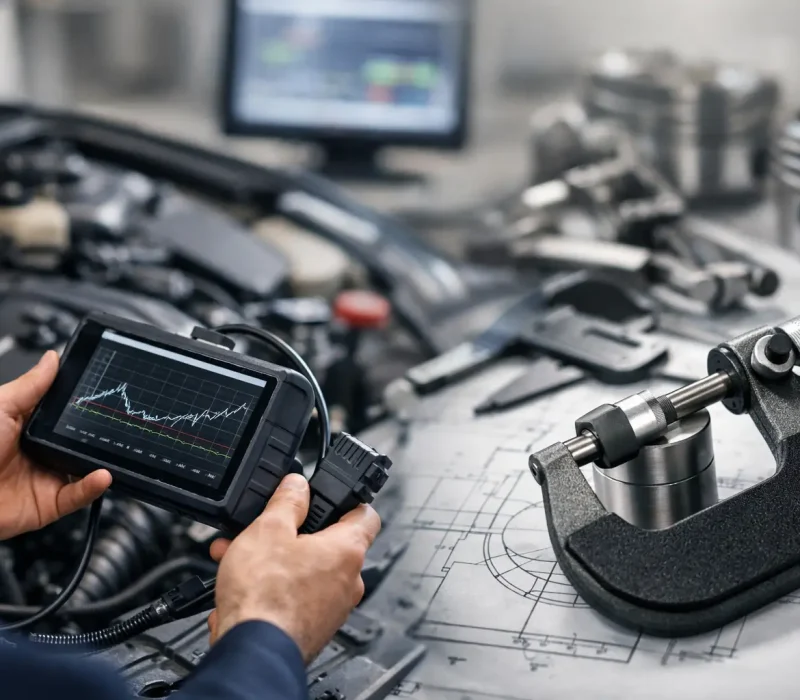
At High REVS Performance, remaps are custom-written for the individual vehicle and carried out using genuine professional tools. That approach is important for towing applications. A generic file built only to produce a big peak figure is not the right answer for a vehicle that needs consistent, dependable torque with a caravan or trailer attached.
The checks worth making before towing after a remap
A towing-focused remap should start with a healthy vehicle, then be followed by sensible preparation before each trip. Check engine oil and coolant levels, tyre pressures for both vehicle and trailer, and the condition of trailer lights, coupling and breakaway cable. If the manufacturer specifies higher rear tyre pressures when towing, follow that guidance.
You should also confirm the load is within the vehicle’s towing limit, gross train weight and nose-weight limit. Keep heavier items low and close to the trailer axle where appropriate, following the trailer manufacturer’s loading advice. A remap improves the engine’s response, but correct weight distribution remains central to stability.
Inform your insurer about the remap before using the vehicle on the road. Modification disclosure requirements vary between providers, and failing to declare it could affect cover. If the vehicle is under manufacturer warranty, consider the potential warranty implications too.
For automatic vehicles, gearbox servicing is worth particular attention when towing regularly. Extra torque and heat place greater demand on transmission fluid. Some vehicles also have known torque limits that need to be respected, which is one reason a safe custom calibration should never be treated as a one-size-fits-all product.
Choosing the right remap focus for towing
A Stage 1 Power remap is often the natural choice for drivers who want the strongest improvement in loaded performance. It can provide the extra mid-range pull that makes a tow car feel less strained on hills and when joining faster traffic.
But it depends on how the vehicle is used. A driver covering substantial motorway mileage with occasional towing may prefer a Balanced remap, where improved response and efficiency are considered together. For a high-mileage diesel used mainly for steady cruising, an Eco calibration may be more appropriate, provided the expectations are realistic. Fuel savings are influenced by speed, load, wind, route and driving style, and a caravan will always add drag.
The best result comes from being clear about the real job the vehicle does. Tell the technician what you tow, how often you tow it, whether the vehicle is manual or automatic, and whether it has any existing warnings or drivability concerns. That information helps shape a calibration around useful, safe performance rather than a generic target.
A good towing remap should leave the vehicle feeling more composed, not more aggressive. When the engine pulls cleanly, the drivetrain is healthy and the trailer is loaded correctly, the benefit is simple: you can spend more attention on the road ahead and less on persuading the vehicle to keep moving.