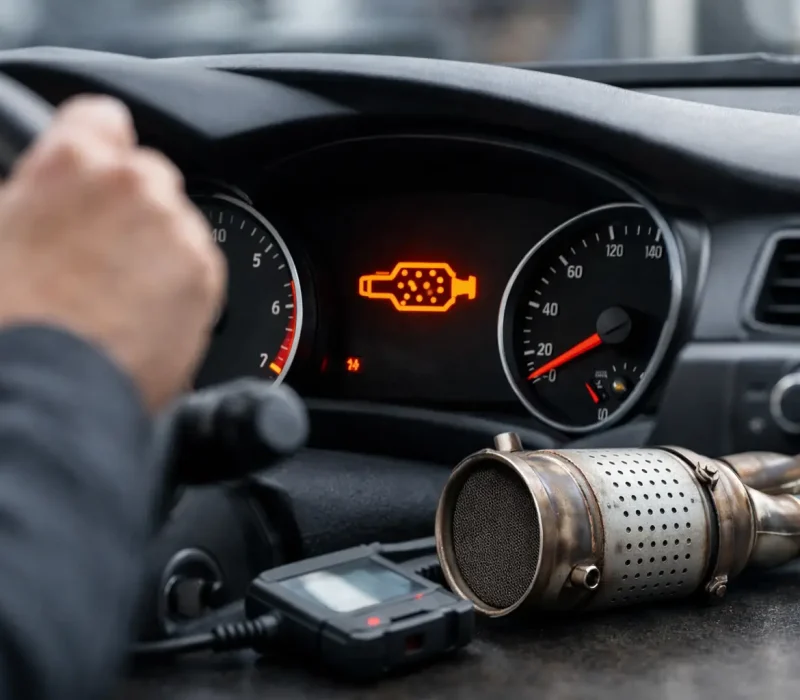



High REVS Performance provides mobile ECU remapping across Tamworth and Staffordshire, so your vehicle can be tuned at home or at work without losing a day to a garage visit. Before booking, however, you should check remap insurance with your provider. A professionally written Stage 1 remap can transform torque, throttle response and day-to-day drivability, but it is still a vehicle modification and should be declared properly.
That phone call is not a reason to avoid a remap. It is simply part of doing the job properly. Insurers deal with modified vehicles every day, and the right approach gives you a clear answer on cover before any software is written to the ECU.
How to Check Remap Insurance Before a Stage 1 Tune
Start with your current insurer, not a comparison site. Call the modifications team if they have one, explain that you are considering an ECU remap, and ask how it will affect your policy. Do this before the appointment, rather than assuming a modest Stage 1 calibration will not count because no physical parts are fitted.
Describe the work accurately. A Stage 1 remap adjusts the engine management software to improve the way the engine delivers power and torque. For an Eco remap, the focus is fuel efficiency where the driving pattern supports it. A Balanced remap aims for stronger usable torque with sensible economy, while a Stage 1 Power remap is for drivers seeking a more engaging response and improved pulling power.
Your insurer may ask for the vehicle registration, model, engine size, year, fuel type and the nature of the software change. They may also ask whether other modifications have been made. Be clear about the intended calibration and whether the vehicle is used for commuting, business mileage, towing or carrying tools. Those details can influence the insurer’s decision.
Ask for the answer in writing, whether that is an updated schedule, email confirmation or a note in your online policy documents. A verbal conversation is useful, but written confirmation gives you something concrete to keep with the vehicle paperwork.
What Your Insurer Needs to Know
Insurers assess risk differently. One company may accept an ECU remap with a small premium adjustment, another may add conditions, and another may not cover tuned vehicles at all. The result depends on the car, the driver’s record, the policy type and the insurer’s own underwriting rules.
When you check remap insurance, make sure you establish four things:
- whether the insurer will cover the remap at all;
- whether your premium, excess or policy terms will change;
- whether the modification must be recorded before the work is completed; and
- whether you need evidence of the work carried out.
Do not describe the remap as a repair or leave it undeclared because the car looks standard from the outside. A software calibration is still a modification if it changes performance or torque. If you need to make a claim and the insurer finds an undeclared alteration, it can create a far bigger problem than any increase in premium.
The same principle applies if a previous owner may have had the vehicle tuned. If the car feels unusually strong, has unexplained flat spots, or diagnostic checks suggest non-standard ECU software, establish what is fitted before changing the calibration or renewing your policy. On-site diagnostics can help identify fault codes and assess the vehicle’s starting point, but insurance disclosure remains the owner’s responsibility.
A Sensible Remap Is Easier to Explain
Not all remaps are approached in the same way. A cheap generic file downloaded and written without checking the vehicle is difficult to justify as careful vehicle ownership. A custom-written remap, completed with genuine professional tools and within safe manufacturer tolerances, is a different standard of work.
Before any High REVS Performance Stage 1 appointment, the vehicle should be assessed for existing issues. Fault codes, poor boost control, DPF warnings, air leaks and sensor faults should not be ignored in the chase for more power. Tuning around a problem does not fix it. It often makes diagnosis more difficult and can leave the owner paying twice.
That process matters to insurers indirectly too. You can confidently explain that the vehicle has received a professional ECU calibration, rather than an unknown modification. Keep the invoice and any relevant paperwork with your service history. It demonstrates what was done, when it was done and who carried out the work.
A remap does not automatically make a vehicle difficult to insure. Many owners declare them without drama. The difference is honesty, clear information and choosing an insurer whose policy suits the vehicle you actually drive.
A Typical Staffordshire Diesel Scenario
Consider a 2017 Volkswagen Tiguan 2.0 TDI used by a Tamworth commuter who also tows a small caravan a few times each year. The owner notices the car feels hesitant pulling away, the engine is regularly interrupted by DPF regeneration, and a warning light has appeared after repeated short journeys.
The first step is not to install a Stage 1 Power remap. A mobile diagnostic visit should identify whether the issue is excessive soot loading, a pressure-sensor reading, an EGR-related fault or another stored code. If the DPF is restricted but otherwise serviceable, DPF chemical cleaning can restore exhaust flow and help avoid the cost of unnecessary replacement.
Once the vehicle is running correctly, a carefully selected Balanced remap may suit that owner better than an outright power-focused file. The aim is stronger low-to-mid-range torque for joining the A5, carrying passengers and towing, without making the car unpleasant or unpredictable in normal use. The owner can then tell the insurer exactly what has changed: the DPF issue has been professionally addressed and the ECU has received a declared, custom calibration.
That is a far stronger position than fitting software first, ignoring a warning light and hoping the insurance question never arises.
Does Returning the Car to Standard Remove the Issue?
Some drivers assume that if the original software is restored before a claim, renewal or sale, there is nothing to mention. Do not rely on that assumption. Insurance questions vary, and some insurers ask about current modifications while others ask about modifications made during the policy period. Answer the wording of the question truthfully and ask the insurer if you are unsure.
There is also a practical point. Reverting software does not erase the fact that work was carried out, and it may not resolve every concern if the insurer needs to investigate a claim. Treat the remap as a properly documented modification from the outset rather than something to hide later.
If you are buying a used vehicle that may have been tuned, it is worth checking before arranging cover. The seller may not know what software is on the ECU, especially where a car has changed hands several times. A diagnostic assessment can provide useful information about the vehicle’s condition, although it should not be treated as a substitute for declaring any known modification to the insurer.
Insurance Is Only One Part of Choosing the Right Tune
The insurance conversation should sit alongside a realistic discussion about how you use the car. A high-mileage motorway driver may benefit most from an Eco or Balanced calibration. A driver who regularly carries stock, tools or towing equipment may value usable torque more than headline figures. A vehicle with active fault codes, poor running or a blocked DPF needs diagnosis and repair work first.
This is why a mobile appointment is useful. The technician can assess the vehicle where you use it, discuss the result you want and avoid treating every diesel or petrol car as if it needs the same file. The right remap should feel controlled and purposeful, not like a compromise in reliability.
Before you book, call your insurer, explain the planned calibration and get the policy position confirmed in writing. Then book a mobile ECU remap, DPF chemical clean or on-site diagnostic appointment with High REVS Performance and get your vehicle assessed properly at your Tamworth or Staffordshire home or workplace.