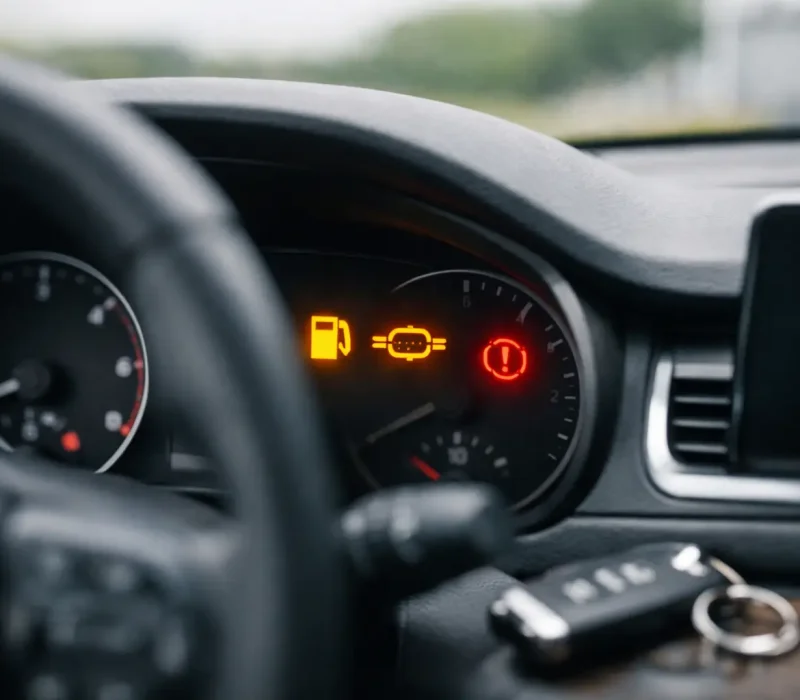


A DPF warning light on the way to work is not always a sign that the filter needs replacing. At High REVS Performance, our mobile service across Tamworth and Staffordshire regularly sees drivers weighing up DPF flushing versus regeneration after reduced power, poor MPG or a car that has entered limp mode. The right route depends on what is actually in the filter, why it built up and whether the vehicle can still complete a regeneration safely.
A forced drive or diagnostic regeneration can be enough for a lightly loaded filter. When the restriction is more established, professional DPF chemical cleaning is usually the more sensible way to restore flow without taking time out for a garage visit.
What regeneration actually does
A diesel particulate filter traps soot produced during combustion. The engine management system monitors the pressure difference across the filter and, when conditions allow, raises exhaust temperature to burn that soot away. This is regeneration.
Passive regeneration happens during sustained driving, usually when exhaust temperatures are naturally high enough. A regular motorway run gives the vehicle the best chance of doing this without the driver noticing. Active regeneration is commanded by the ECU when soot loading rises. Extra fuel is used to raise exhaust temperatures and burn off the stored soot.
For many local diesel drivers, the problem is not that regeneration does not exist – it is that their normal journeys interrupt it. School runs, town traffic and short commutes around Tamworth can mean the engine never reaches the temperature or time needed to finish the process. Switching off halfway through repeatedly allows soot loading to climb.
A diagnostic tool can sometimes request a stationary or road-based regeneration. This should not be treated as a cure-all. The system must be checked first for fault codes, oil condition, fuel level, coolant temperature and excessive soot loading. If the filter is too blocked, forcing a regeneration can create excessive heat and add unnecessary stress to the DPF and surrounding components.
DPF flushing versus regeneration: the practical difference
Regeneration burns soot. DPF flushing, more accurately described as professional DPF chemical cleaning, uses specialist cleaning chemicals to loosen and remove soot deposits and contamination restricting the filter channels. It addresses a blockage that has gone beyond what a normal burn-off can reliably handle.
The crucial distinction is ash. Regeneration can burn soot into a much smaller ash residue, but it cannot burn ash away. Ash is left behind from oil additives and normal engine wear over the life of the vehicle. Chemical cleaning can help shift deposits and improve flow, although a severely ash-loaded or physically damaged filter may still require removal or replacement.
This is why a long motorway blast is occasionally useful but not a dependable answer to every DPF light. If the vehicle has a minor soot load, all sensors are reading correctly and it is already attempting regeneration, a proper uninterrupted drive may allow it to clear. If warning lights remain, power is restricted or the differential-pressure reading is high, the safer next step is on-site diagnostics rather than simply driving harder.
A typical mobile DPF job
A common example is a 2016 Volkswagen Passat 2.0 TDI used by a Staffordshire commuter. It may cover only a few miles at a time during the week, then make occasional longer journeys at weekends. The owner notices the glow plug light flashing, reduced acceleration joining the A5 and fuel economy falling several MPG below normal.
At the appointment, we would first scan the vehicle and check live data rather than assume the DPF is the sole fault. A pressure sensor fault, a split hose, an EGR issue or a failed temperature sensor can all prevent successful regeneration and produce similar symptoms. If readings confirm a restricted filter and the vehicle is suitable, our mobile DPF chemical cleaning process can be carried out at the customer’s home or workplace.
The cleaner is introduced through the appropriate access point, allowed to work through the filter and followed by the required rinse or regeneration procedure. We then reassess live pressure readings and fault codes. The aim is not just to turn off a warning light, but to confirm that exhaust flow has improved and that the ECU sees sensible values again.
That approach saves the owner the inconvenience of arranging a garage drop-off while avoiding the cost of replacing a DPF that may still be recoverable.
When regeneration is the right choice
Regeneration remains the least invasive option when the car is showing an early warning, has no relevant stored faults and live data suggests a manageable soot level. A driver who mainly makes short trips may need to complete a purposeful uninterrupted run once the vehicle is fully warm, provided the manufacturer’s guidance and dashboard warnings allow it.
It also makes sense after the cause of soot accumulation has been corrected. For example, if diagnostics identify a failed temperature sensor that stopped the ECU initiating regeneration, replacing that fault and then completing a controlled regeneration may return the system to normal operation.
However, do not rely on a regeneration if the DPF warning is joined by engine-management faults, limp mode, unusually high oil level, fans running constantly after switch-off or repeated failed regeneration attempts. These signs need proper diagnosis. Continuing to drive can dilute engine oil with diesel, increase exhaust temperatures and turn a cleanable issue into a more expensive repair.
When chemical DPF cleaning makes more sense
Mobile DPF chemical cleaning is often the better option when the restriction has built up over time and a normal regeneration is unlikely to shift it. It is particularly relevant for diesels used for local delivery work, stop-start commuting, towing with frequent short runs or light commercial use where downtime matters.
It can also be a sensible preventative choice where performance has become progressively flat, fuel use has crept up and diagnostic readings show rising DPF back pressure before the vehicle reaches full limp mode. Acting at this stage can prevent the inconvenience of a breakdown and may avoid a costly replacement filter.
Chemical cleaning is not a substitute for repairing the reason the DPF blocked. An injector issue, boost leak, EGR fault, worn turbocharger or incorrect engine oil can quickly contaminate the filter again. That is why High REVS Performance combines DPF cleaning with on-site vehicle diagnostics. We look for the cause, check the results and give a clear view of whether cleaning is appropriate before work begins.
Will a Stage 1 remap cause DPF problems?
A properly written Stage 1 remap should not be confused with a generic file that simply adds fuel. At High REVS Performance, remaps are custom-written within manufacturer tolerances and calibrated around the vehicle’s condition. Better torque delivery can make a diesel easier to drive, especially when overtaking, towing or carrying equipment, without needing excessive throttle input.
But a remap is not the starting point for a vehicle with an active DPF fault. The filter, sensors and underlying engine condition should be sorted first. Once the car is healthy, a suitable Eco, Balanced or Stage 1 Power calibration can be discussed based on how it is used.
This order matters. Restoring airflow and correct DPF operation first gives the engine a sound foundation. It also means any gains in response, torque and economy are based on accurate diagnostic readings rather than masked by a warning light or restricted exhaust.
The sensible decision starts with live data
The choice is not simply regeneration or flushing. It is a decision based on soot load, ash accumulation, pressure readings, fault codes and the way the vehicle is used. A DPF that only needs a completed regeneration should not be chemically cleaned without reason. Equally, a heavily restricted filter should not be repeatedly forced through high-temperature regeneration in the hope that it will recover.
Mobile diagnostics give you that answer where the vehicle is parked, whether that is at home, at work or with a small fleet. You get a practical recommendation based on the condition of your own car, not a guess based on one dashboard symbol.
If your diesel has a DPF warning, reduced power or falling MPG, book a mobile diagnostic and DPF chemical cleaning appointment with High REVS Performance. We will assess the fault properly, advise whether regeneration or cleaning is the right route, and help get your vehicle back to reliable everyday use.