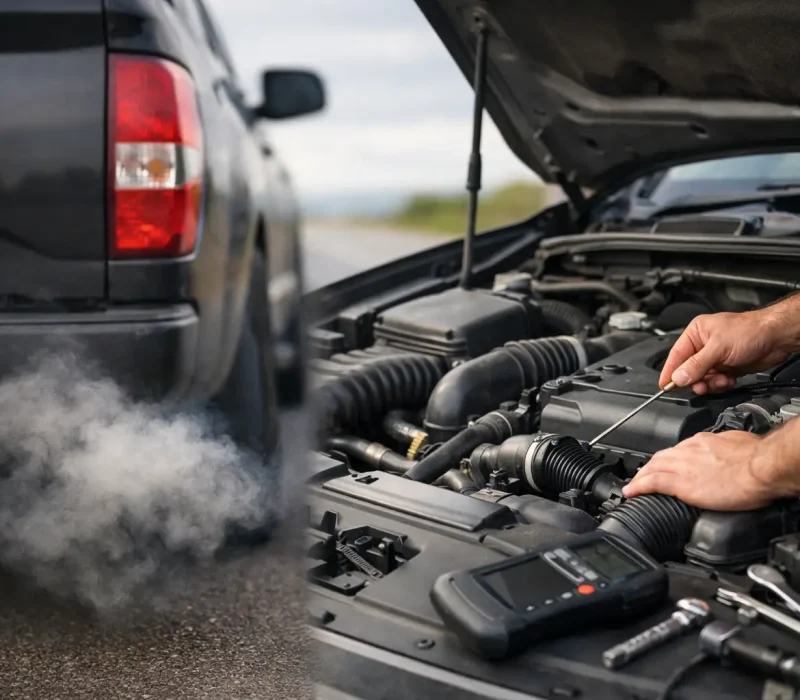



Fuel economy claims are easy to make when a car is sat on a dyno or driven on a perfect test route. Eco remap mpg gains real world results are a different matter. They depend on the vehicle, the engine, the gearbox, the load it carries, and most of all how it is driven day to day.
That is why sensible drivers ask the right question first. Not “What is the biggest number possible?” but “What am I likely to see on my own commute, with my own van, car, or towing setup?” That is the useful conversation, and it is where a properly written eco remap stands apart from generic tuning files and exaggerated sales claims.
What eco remap MPG gains in the real world actually mean
An eco remap is not magic software that turns every diesel or turbo petrol into a hypermiler. It is a recalibration of the engine management designed to improve efficiency where the vehicle spends most of its time – usually in the low to mid-range, where commuting, cruising and everyday acceleration happen.
In practical terms, the aim is to make the engine produce torque more efficiently. When torque comes in earlier and more smoothly, the car needs less throttle input to maintain speed or get moving. That can reduce fuel consumption, especially for drivers who do a lot of motorway miles, A-road driving, or stop-start commuting in a heavier vehicle.
Real-world gains are usually modest rather than dramatic, but they can still be worthwhile. On the right vehicle, driven in the right way, an eco remap may deliver a noticeable improvement in MPG. On the wrong vehicle, or with the wrong expectations, the gain may be small or even cancelled out completely by driving style.
The vehicles most likely to see worthwhile gains
Diesel vehicles tend to respond best, particularly turbo diesels used for regular mileage. That includes family cars, executive diesels, vans, and light commercial vehicles that spend long periods cruising or carrying weight. These engines often have enough untapped efficiency in the factory calibration to make an economy-focused remap worthwhile.
A van used for deliveries or motorway work is a good example. If it is frequently loaded, the driver benefits from improved low-end torque. That means fewer downshifts, less strain when pulling away, and less throttle needed to keep momentum. Over time, that can show up at the pump.
Petrol turbo engines can also benefit, but the MPG improvement is often less pronounced. Naturally aspirated petrol engines generally offer the least dramatic fuel-saving results from remapping alone, simply because there is less adjustable efficiency headroom.
Automatic gearboxes can help or hinder the outcome. Some work very well with an eco remap because the added usable torque lets the gearbox hold higher gears more comfortably. Others may still prioritise performance or kick down aggressively, which reduces the economy benefit.
What kind of MPG improvement is realistic?
This is the part where honesty matters. Most drivers should not expect a night-and-day transformation. In the real world, a sensible expectation is often somewhere in the region of 5 to 15 per cent improvement, but only under the right conditions.
That range is not a promise. It is a working benchmark based on what tends to be achievable on suitable vehicles in normal use. Some drivers will see less. A few may see more, especially if the original calibration is conservative and the vehicle does high motorway mileage.
A diesel estate doing 20,000 motorway miles a year may show a clear and worthwhile MPG lift. A small hatchback used only for short cold-start trips around town may barely show enough change to notice. Likewise, a driver who enjoys the stronger mid-range and starts accelerating harder everywhere can easily use the extra efficiency up with their right foot.
This is one of the biggest misunderstandings around economy remaps. The remap can improve the engine’s efficiency potential, but it does not control how the vehicle is used afterwards.
Why some drivers see strong results and others do not
The biggest factor is driving pattern. Long steady journeys give an eco remap the best chance to work. Short urban runs do not. Cold starts, traffic, repeated braking, and low average speeds all work against fuel economy, no matter how well calibrated the ECU is.
Vehicle condition matters just as much. If the air filter is restricted, the injectors are not performing cleanly, tyre pressures are low, or the DPF is struggling with frequent regenerations, MPG may already be compromised. In that case, remapping a car with underlying efficiency issues is not addressing the full picture.
This is also why a proper pre-check matters. A safe custom calibration should be built around a healthy vehicle. If there are faults present, airflow issues, boost leaks, or signs of DPF trouble, those need attention first. Otherwise the owner may blame the remap for poor results that were already being caused by maintenance problems.
Load is another factor that gets overlooked. A tradesperson carrying tools every day, or a driver towing regularly, may still benefit from an eco remap, but fuel consumption is always going to reflect the work the vehicle is being asked to do. The gain often shows up as reduced strain and better flexibility rather than headline-grabbing MPG numbers.
Eco remap mpg gains real world versus brochure claims
Factory MPG figures are produced under controlled conditions. Real roads are different. Traffic, gradients, weather, payload, tyre choice, and route type all have an effect. That means the only figures that really matter are the ones a driver sees over several tanks of fuel in their usual routine.
A proper way to judge results is to compare like with like. Use the same route profile, similar load, and similar driving style over a reasonable distance. One good tank does not prove much. Neither does one bad week in freezing weather with the heater on full and extra traffic.
The best approach is to monitor fuel use for a few weeks before and after. If the vehicle is healthy and the driving pattern suits an economy tune, trends usually become clear quite quickly.
The trade-off: better economy or better performance?
There is always a balance. Even an eco remap will usually improve torque and drivability, because that is part of how efficiency is gained. The car often feels less flat at lower revs and more relaxed in everyday driving.
That is good news, but it creates a temptation. If the vehicle feels sharper and easier to accelerate, some drivers naturally use that extra response more often. That can reduce or remove the fuel-saving benefit. So yes, you can have improved drivability and better economy, but only if you use the added torque to drive more efficiently rather than more aggressively.
For some owners, a balanced remap is actually the better fit. If they want a clear lift in everyday response but are realistic that they will use the performance, a balanced calibration may suit their priorities better than choosing an eco file and expecting savings they may not preserve.
Why custom calibration matters
A genuine eco remap should be written for the vehicle, not pulled from a generic file library and flashed in without question. Different engine codes, software versions, gearbox behaviour and usage patterns all affect what will work safely and effectively.
Custom-written remaps within manufacturer tolerances matter because economy tuning is not just about adding torque. It is about shaping the torque delivery, refining fuelling strategy where appropriate, and preserving reliability. Push too far and you risk increased stress, poor drivability, smoke on diesels, or issues that cost more than any fuel saving was worth.
This is where experienced mobile tuning has a real advantage for busy owners. If the technician can inspect, diagnose and calibrate the vehicle properly at your home or workplace, you are not losing half a day at a garage only to get a one-size-fits-all result.
When an eco remap is worth it
It usually makes sense for drivers who cover solid annual mileage, especially in diesel cars and vans. If your vehicle is healthy, your route includes regular A-road or motorway work, and you tend to drive smoothly, the savings can add up steadily over time. Fleet users, commuters, and towing drivers often feel the benefit not only in fuel cost but in reduced effort from the vehicle.
It is less compelling for low-mileage cars, short-trip urban use, or vehicles with existing mechanical or emissions-system issues. In those cases, putting the budget into maintenance first is often the smarter move.
A trustworthy tuner will say that openly. The right answer is not always “yes, remap it”. Sometimes it is “sort the fault, clean up the airflow side, check the DPF behaviour, then reassess”. That approach protects the customer and usually produces better long-term results.
For drivers in Tamworth and Staffordshire who rely on their car or van every day, that practical approach matters more than inflated claims. Good tuning should make the vehicle easier to live with, cheaper to run where possible, and safer to own because it is calibrated properly.
If you are weighing up an eco remap, focus less on the biggest MPG number you have heard and more on whether your vehicle, mileage and driving pattern genuinely suit it. That is usually where the best savings begin.