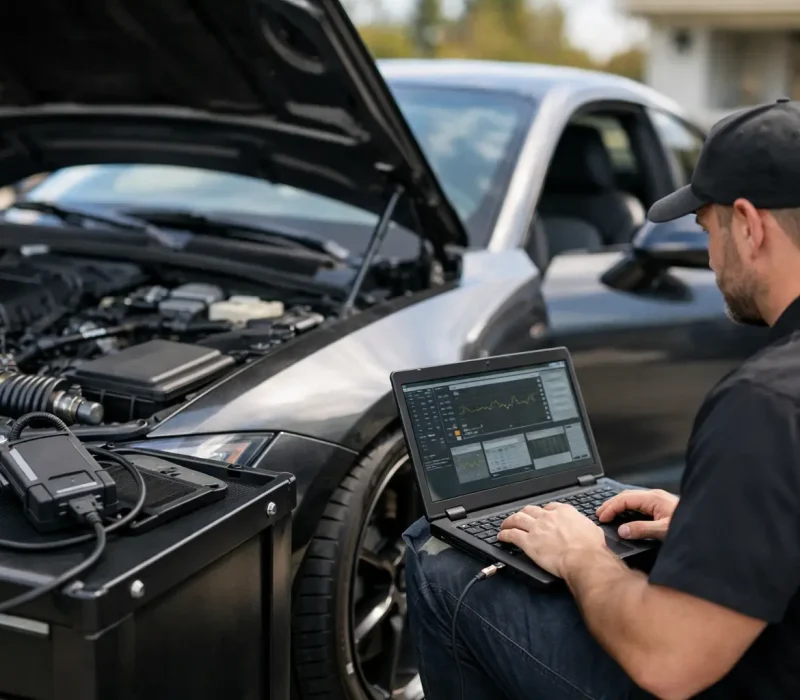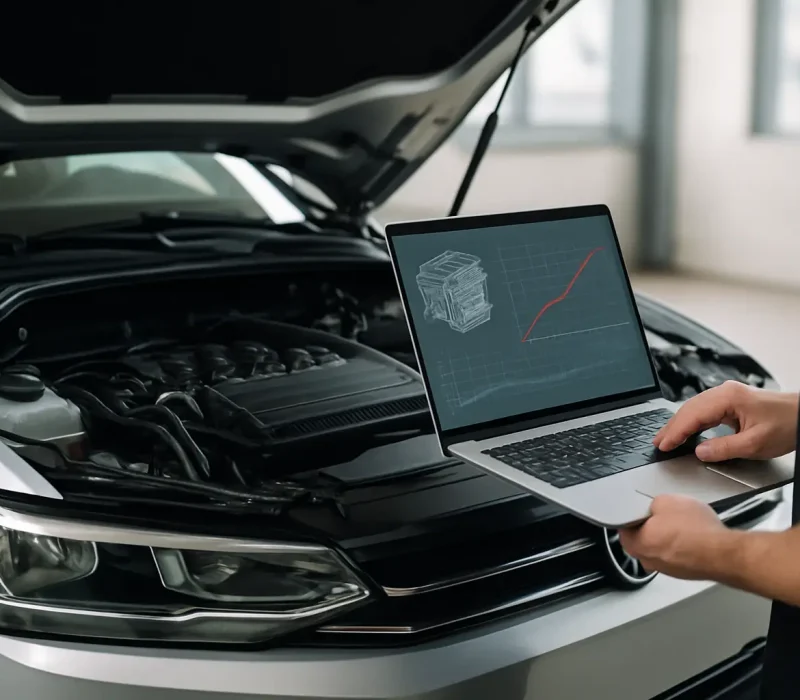



A diesel that used to return strong MPG but now feels flat, hesitant or constantly regenerating is usually telling you something. The best ways improve diesel economy are rarely about one magic fix. More often, they come from getting the engine back to how it should run, then making sensible changes that reduce strain, wasted fuel and incomplete combustion.
Why diesel economy drops in the first place
Modern diesel engines are efficient by design, but they are also sensitive to condition. If airflow is restricted, the DPF is loading up too often, the EGR system is dirty, or the engine is running with sensor-related faults, fuel use climbs quickly. Many drivers notice it first as more frequent trips to the pump, but the early signs are often there beforehand – sluggish pull-away, uneven throttle response, rougher running or repeated warning lights.
Driving pattern matters as well. A diesel used mainly for short local trips will often struggle to stay as efficient as one covering steady A-road or motorway miles. That does not mean short-trip diesels are hopeless. It means maintenance and diagnostics become more important, because these engines depend on heat, clean airflow and proper exhaust after-treatment operation to deliver their best economy.
Best ways improve diesel economy without guesswork
The strongest results usually come from fixing underlying issues before chasing upgrades. If the engine is not healthy, even the best calibration in the world cannot deliver consistent economy.
Start with proper diagnostics
If your diesel has lost MPG, the first step should be to check live data and fault history rather than replacing parts on assumption. A MAF sensor reading out of range, boost leak, sticking EGR valve or temperature sensor issue can all hurt fuel economy without always triggering a dramatic dashboard warning.
This is where many owners spend money in the wrong order. They fit parts because a forum suggested it, yet the real problem is elsewhere. A proper diagnostic approach saves time, prevents unnecessary expense and gives you a clear starting point. For high-mileage drivers and small business vehicles, that matters because downtime costs money as much as fuel does.
Restore clean airflow to the engine
Diesels rely on efficient air delivery. When carbon builds up around the intake tract, EGR system and inlet side of the engine, combustion quality suffers. The engine may still run, but it runs less cleanly and less efficiently.
Carbon cleaning can help restore airflow and improve throttle response where deposit build-up is part of the problem. It is not a cure for every fault, and it will not fix failed components, but on the right vehicle it can reduce sluggishness and help the engine breathe properly again. That often translates into better drivability first, then improved fuel economy over time.
Deal with DPF issues early
A partially blocked DPF is one of the most common reasons a diesel starts using more fuel. When the filter cannot regenerate properly, the engine has to work harder and may inject extra fuel during regeneration attempts. If those regens keep interrupting because the vehicle is only doing short runs, the problem snowballs.
Chemical DPF cleaning is often a sensible option before the blockage becomes severe enough to force more expensive work. The key point is timing. Leave it too long and ash loading or repeated failed regenerations can lead to deeper issues. Catch it earlier and you have a far better chance of restoring flow, reducing warning light cycles and getting economy back where it should be.
Keep the service basics genuinely up to date
It sounds obvious, but many diesel economy complaints come back to basic maintenance being overdue or done to the lowest standard. A tired air filter, old oil, incorrect oil specification or neglected fuel filter can all have a measurable effect.
Diesels are less forgiving of poor maintenance than many drivers realise. The right oil matters because of turbo protection and DPF compatibility. The fuel filter matters because injector performance depends on clean fuel delivery. Saving a few pounds on shortcuts can cost far more in fuel use and wear.
Driving habits that make a real difference
Mechanical condition comes first, but driving style still matters. The most effective habit changes are the ones that reduce repeated load spikes and let the engine operate in its efficient range.
Use torque, not revs
A diesel makes its usable power lower down the rev range than a petrol. Revving it out for no reason usually increases fuel use without improving progress. Smooth acceleration, earlier upshifts and making use of the engine’s torque are better for economy and often feel more relaxed on the road.
That said, driving too gently all the time is not ideal either, especially on modern diesels that need proper exhaust temperatures and regular steady runs. The answer is balance – avoid labouring the engine at very low revs, but do not drive it like it needs to live at the top of the rev counter.
Reduce short runs where possible
Cold starts and short journeys are hard on diesel economy. The engine, oil and exhaust after-treatment systems do not get enough time to reach their ideal operating temperature, so fuel use remains higher and DPF issues become more likely.
If your routine is lots of short local driving, combining errands into one longer run can help. So can making sure the vehicle gets an occasional sustained drive at road speed. It is not about some mythical weekly blast. It is about giving the system a realistic chance to complete regeneration and run cleanly.
Check tyres, load and drag
Underinflated tyres increase rolling resistance and quietly chip away at MPG. Extra weight in the boot, unused roof bars and poor wheel alignment do the same. These are not dramatic changes on their own, but together they are the kind of small losses that add up over a month of commuting or commercial use.
For towing drivers, economy will always depend on load and conditions. Even so, a healthy diesel with correct tyre pressures and good calibration will usually cope more efficiently than one already struggling with soot build-up or restricted airflow.
Can remapping improve fuel economy?
Yes, in the right circumstances. A properly written eco remap can improve diesel economy by optimising torque delivery and making the engine less dependent on heavy throttle input. In simple terms, if the vehicle produces usable torque earlier and more cleanly, it often needs less effort to maintain speed.
The key phrase here is properly written. Generic files and aggressive tuning can do the opposite, especially if they chase headline gains without respecting the limits of the engine, turbo and transmission. Safe remapping should stay within manufacturer tolerances and be based on the specific vehicle, not a one-size-fits-all approach.
For many drivers, the best outcome is not maximum power. It is a calibration that improves flexibility, reduces the need for constant downshifts and supports better real-world MPG. That is especially useful for commuters, motorway users and vans carrying tools or stock. A balanced map can also suit drivers who want stronger mid-range performance without sacrificing economy.
When economy problems are not just economy problems
Sometimes poor MPG is the symptom, not the problem itself. If your diesel is dropping into limp mode, showing DPF or engine management warnings, smoking more than usual or feeling inconsistent from one drive to the next, economy should not be treated in isolation.
At that point, the focus should be on finding out whether the vehicle has a sensor issue, boost leak, injector imbalance, DPF loading problem or excessive carbon contamination. Fixing the root cause is what restores economy properly. Anything else is temporary at best.
This is also where convenience matters. For working drivers, fleet users and anyone who cannot spare half a day at a garage, mobile specialist support makes practical sense. Having diagnostics, cleaning or tuning carried out at home or work means the vehicle gets attention before a minor efficiency issue turns into a larger repair bill.
Best ways improve diesel economy for different drivers
The right approach depends on how the vehicle is used. A motorway commuter may benefit most from diagnostics, servicing and an eco remap. A local driver doing school runs and town mileage may need DPF attention and a change in journey pattern more than anything else. A towing vehicle or light commercial van may respond well to a balanced calibration that improves torque without overworking the drivetrain.
That is why the best advice is rarely universal. Diesel economy is part engine condition, part usage pattern and part calibration. Treat all three properly and the gains are usually noticeable. Ignore one of them and you can end up chasing the same problem again a few months later.
If you want lasting MPG improvements, think beyond fuel itself. A clean-running diesel with sound diagnostics, healthy airflow, a functioning DPF and a safe, vehicle-specific tune will nearly always outperform one that is merely being driven carefully. Get the engine working as it should, and better economy tends to follow.